Scientific Research & Clinical Publications

Scientific Research & Clinical Applications

Explore selected research, clinical observations and professional technologies associated with ASCE plus.
SCIENCE · CLINICAL EVIDENCE · TECHNOLOGY
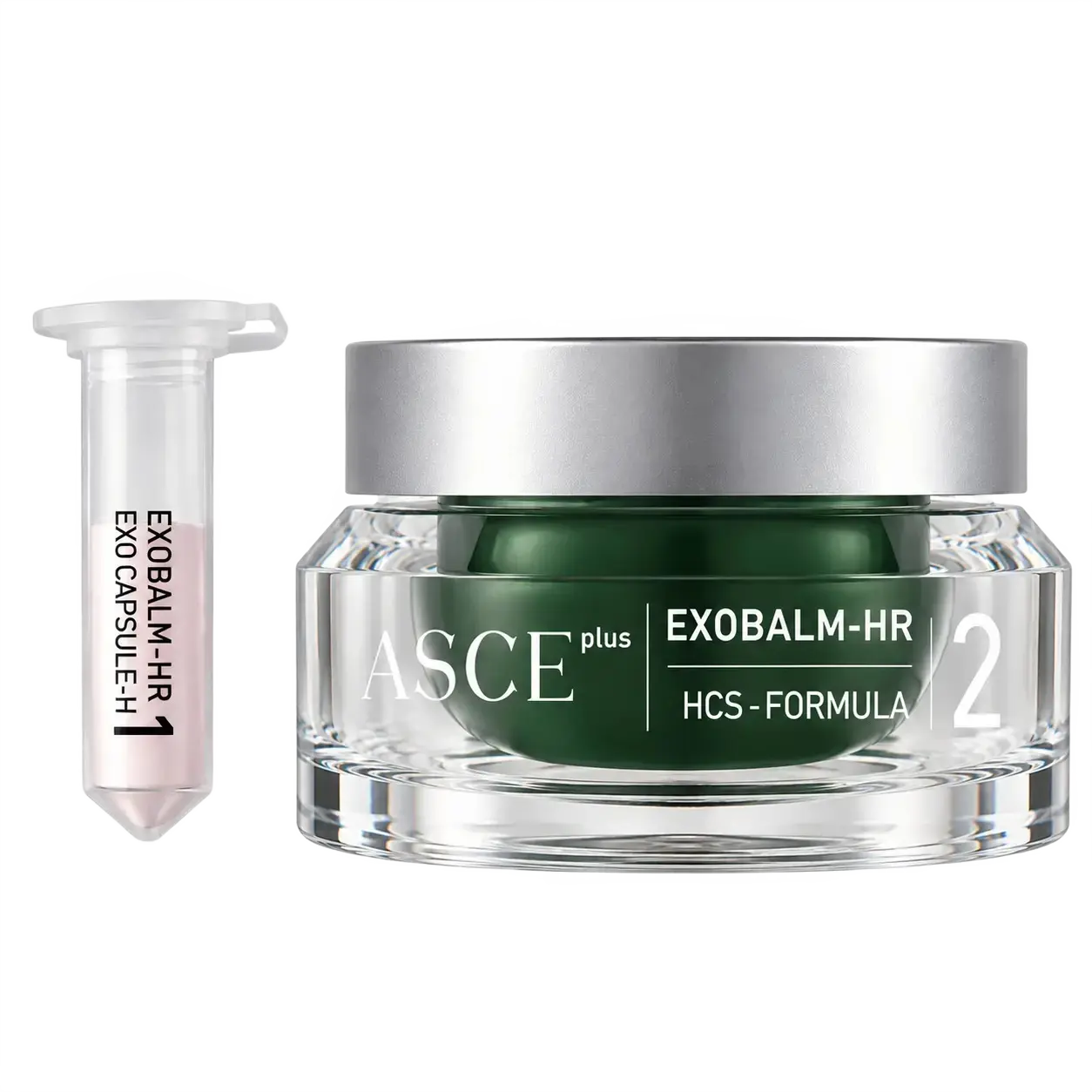
EXOBALM-HR clinical evaluation featured in PRIME Journal
CLINICAL EVALUATION HAIR & SCALP

EXOBALM-HR

Clinical evaluation of hair and scalp parameters
4 WEEKS
Twice-daily application in the reported evaluation
−58.8% Shed hairs
−38.4% Scalp oil
+29.7% Hydration
CLINICAL EVALUATION

EXOBALM-HR

Evaluation overview

A reported evaluation examining selected hair and scalp parameters following the use of EXOBALM-HR.

Reported methodology

  • 31 female participants
  • 4-week evaluation period
  • Twice-daily application
  • Single-arm evaluation without a control group

Reported measurements

−58.8% Shed hairs
−38.4% Scalp oil
+29.7% Hydration
21.7% Desquamation improvement
17.1% Reported soothing parameter
12.6% Cuticle roughness improvement

Scientific context

The reported findings are from an unpublished commissioned evaluation, report PNK-25707-CU1RE (2025), featured in PRIME Journal. The results should be interpreted within the limitations of a single-arm evaluation.

Publication feature

PRIME Journal · November–December 2026 · Page 44
VIEW PRIME JOURNAL ↗
EXOBALM clinical research
CLINICAL STUDY RADIOTHERAPY

EXOBALM

Skin care evaluation in patients undergoing breast cancer radiotherapy
8 WEEKS
Prospective single-center pilot evaluation
15 Participants
0 Reported Grade 3
0 Reported Grade 4
CLINICAL STUDY

EXOBALM

Study overview

A prospective single-center pilot study evaluating the use of EXOBALM in patients receiving breast cancer radiotherapy.

Study design

  • 15 patients
  • 8-week evaluation
  • Prospective single-center pilot study
  • EXOBALM applied twice daily

Reported findings

6.7% RTOG Grade 0
40% RTOG Grade 1
53.3% RTOG Grade 2
0 Grade 3 cases
0 Grade 4 cases

Additional observation

Transepidermal water loss (TEWL) was reported to decrease below baseline by week 8.

Publication

Aesthetic Surgery Journal · 2026 · Volume 46 · Supplement 1 · Pages S82–S88

This pilot study should not be interpreted as definitive evidence of efficacy or as a substitute for standard radiotherapy-related skin care.
VIEW PUBLICATION ↗
EXOBALM clinical research
CASE SERIES SCAR CARE

EXOBALM

Published case series exploring exosome-based approaches in scar management
4 CASES
Published retrospective case series
4 Cases described
71% Reported case result
78% Reported case result
CASE SERIES

EXOBALM

Publication overview

A retrospective case series published in Pharmaceuticals in 2025 describing four scar-related cases involving rose stem cell-derived exosomes and various treatment approaches.

Clinical approaches described

  • Microneedling-based procedures
  • Thulium laser treatment
  • Topical skincare approaches
  • EXOBALM mentioned as home care in a documented protocol

Reported case outcomes

71% Reported mVSS reduction
78% Reported mVSS reduction
75% Reported mVSS reduction

Interpretation

The reported improvements relate to combined treatment protocols described in individual cases. They cannot be attributed to EXOBALM alone.

Publication

Pharmaceuticals · 2025 · Volume 18 · Issue 8 · Article 1103
VIEW PUBLICATION ↗
Rose stem-cell-derived extracellular vesicles in scar treatment research
CLINICAL CASE SERIES ROSE-DERIVED VESICLES

RSCE · SRLV TECHNOLOGY

Clinical observations involving rose stem-cell-derived exosomes in scar treatment
4 CASES
Published case series · scar assessment outcomes
61%POSAS improvement · dog-bite case
55%POSAS Observer · forehead-trauma case
76%POSAS Observer · hot-oil-burn case
CLINICAL CASE SERIES

Rose Stem-Cell-Derived Vesicles

Publication overview

A 2025 case series describing four scar-related cases treated using rose stem-cell-derived exosomes (RSCEs) within differing treatment protocols.

Selected reported POSAS outcomes

61%Dog-bite case · POSAS improvement
55%Forehead-trauma case · Observer
76%Hot-oil-burn case · Observer
~70%Laser-complication case · approximate POSAS improvement

Treatment approaches described

  • Topical rose stem-cell-derived exosomes
  • Microneedling in some cases
  • Thulium laser in some cases
  • Different treatment protocols and durations across cases

Interpretation

These are case-specific outcomes from a small case series involving differing and sometimes combined treatment approaches. They do not establish the efficacy of ASCE plus SRLV or exosomes alone. The reported statistical tests did not reach conventional statistical significance.

Publication

Pharmaceuticals · 2025 · Volume 18 · Issue 8 · Article 1103

VIEW PUBLICATION ↗
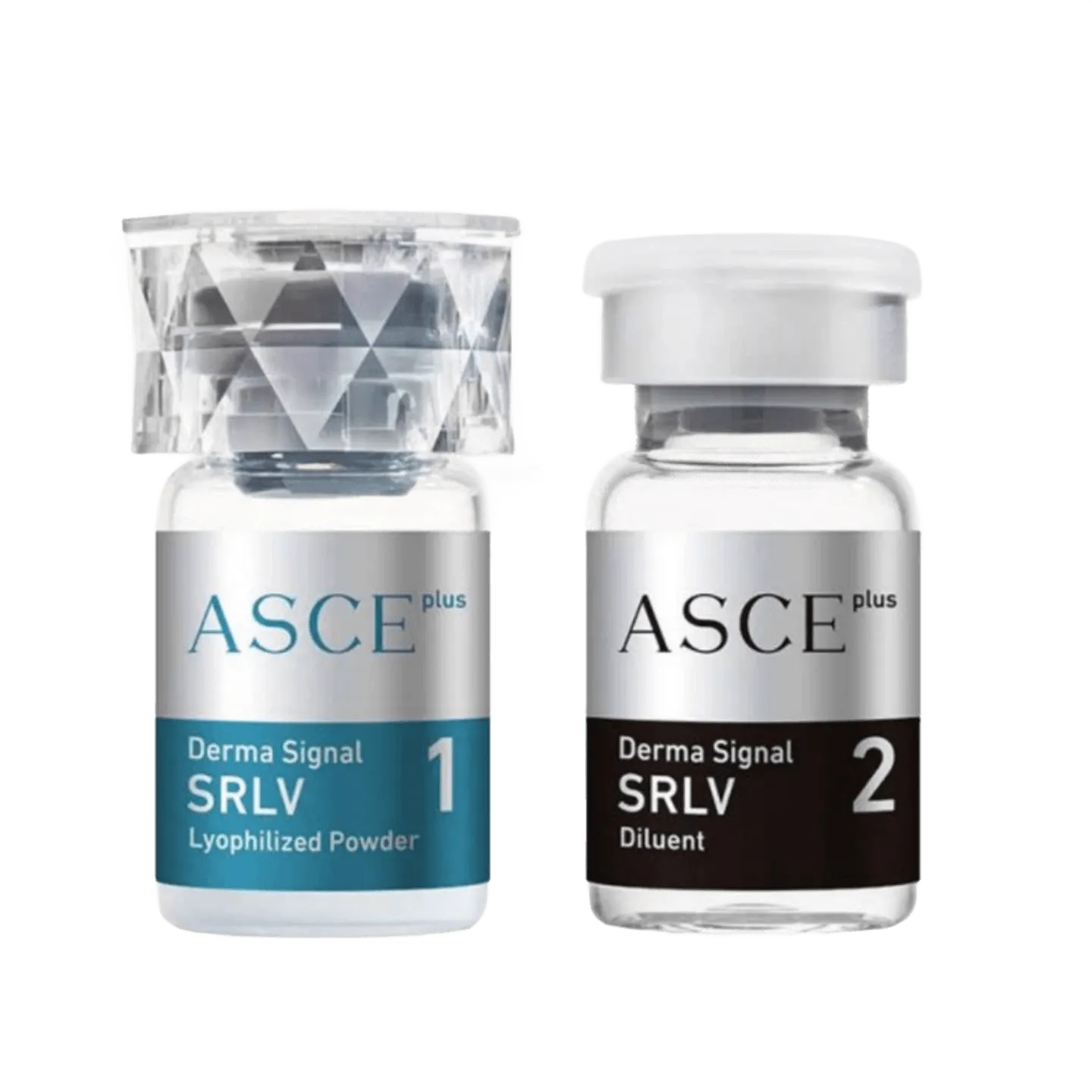
ASCE plus SRLV professional skincare technology
PROFESSIONAL TECHNOLOGY EXOSOME-BASED SKINCARE

ASCE plus SRLV

Professional skincare system designed for aesthetic skincare routines
SRLV
Professional skincare approach
EXO Exosome-based approach
PRO Professional routine
KŮŽE Skincare application
PROFESSIONAL TECHNOLOGY

ASCE plus SRLV

Professional skincare

ASCE plus SRLV is presented as a professional skincare system within the ASCE plus skincare portfolio.

Exosome-based skincare approach

The ASCE plus product range is associated with ExoCoBio’s proprietary ExoSCRT technology and extracellular vesicle-based skincare research.

Professional application

Explore the product system, application information and professional skincare context on the dedicated SRLV product page.

Product information

Visit the dedicated ASCE plus SRLV page for the product details and application instructions.

EXPLORE ASCE PLUS SRLV ↗
ASCE plus IRLV plant-derived exosomes featured in clinical research
CLINICAL STUDY GENITAL REJUVENATION

ASCE plus IRLV

Plant-derived exosomes combined with Er:YAG laser for genitourinary syndrome of menopause (GSM)
6 MONTHS
Follow-up after four laser sessions combined with ASCEplus IRLV
20 Participants
+110.3% VHI score change at 6 months*
−67.0% FSDS-R score change at 6 months*
CLINICAL STUDY · LEVEL OF EVIDENCE 4

ASCE plus IRLV

Study overview

A pilot study evaluating four sessions of non-ablative Er:YAG vaginal laser combined with topical intravaginal application of ASCEplus IRLV in women with genitourinary syndrome of menopause (GSM).

Study protocol

  • 20 postmenopausal women, aged 45–63 years (mean age 53)
  • Four non-ablative Er:YAG laser sessions (4 J, 3,600 pulses), spaced four weeks apart
  • 4 mL ASCEplus IRLV applied intravaginally after each laser session
  • Follow-up at baseline, 3 months and 6 months

Vaginal Health Index (VHI)

9.75Mean baseline VHI
17.55Mean VHI at 3 months
20.50Mean VHI at 6 months
+110.3%Change in mean score from baseline to 6 months*

Female Sexual Distress Scale–Revised (FSDS-R)

33.15Mean baseline score
17.4Mean score at 3 months
10.95Mean score at 6 months (calculated from published patient data)
−67.0%Change in mean score from baseline to 6 months*

Reported observations

  • Improvement in vaginal dryness and dyspareunia
  • Improvement in mild to moderate urinary incontinence; some participants reported complete resolution
  • No adverse events reported during the study
*Percentage changes are calculated from the published mean scores / patient-level data and are not percentages directly reported by the authors. This was a small, uncontrolled pilot study combining laser treatment and ASCEplus IRLV; the results cannot isolate the effect of exosomes alone. Larger controlled studies are needed.

Publication

Aesthetic Surgery Journal · 2026 · Volume 46 · Supplement 1 · Pages S89–S92 · DOI: 10.1093/asj/sjaf243

VIEW PUBLICATION ↗
Rose stem-cell-derived extracellular vesicles in scar treatment research
CLINICAL CASE SERIES ROSE-DERIVED VESICLES

RSCE · SRLV TECHNOLOGY

Clinical observations involving rose stem-cell-derived exosomes in scar treatment
4 CASES
Published case series · scar assessment outcomes
61%POSAS improvement · dog-bite case
55%POSAS Observer · forehead-trauma case
76%POSAS Observer · hot-oil-burn case
CLINICAL CASE SERIES

Rose Stem-Cell-Derived Vesicles

Publication overview

A 2025 case series describing four scar-related cases treated using rose stem-cell-derived exosomes (RSCEs) within differing treatment protocols.

Selected reported POSAS outcomes

61%Dog-bite case · POSAS improvement
55%Forehead-trauma case · Observer
76%Hot-oil-burn case · Observer
~70%Laser-complication case · approximate POSAS improvement

Treatment approaches described

  • Topical rose stem-cell-derived exosomes
  • Microneedling in some cases
  • Thulium laser in some cases
  • Different treatment protocols and durations across cases

Interpretation

These are case-specific outcomes from a small case series involving differing and sometimes combined treatment approaches. They do not establish the efficacy of ASCE plus SRLV or exosomes alone. The reported statistical tests did not reach conventional statistical significance.

Publication

Pharmaceuticals · 2025 · Volume 18 · Issue 8 · Article 1103
VIEW PUBLICATION ↗
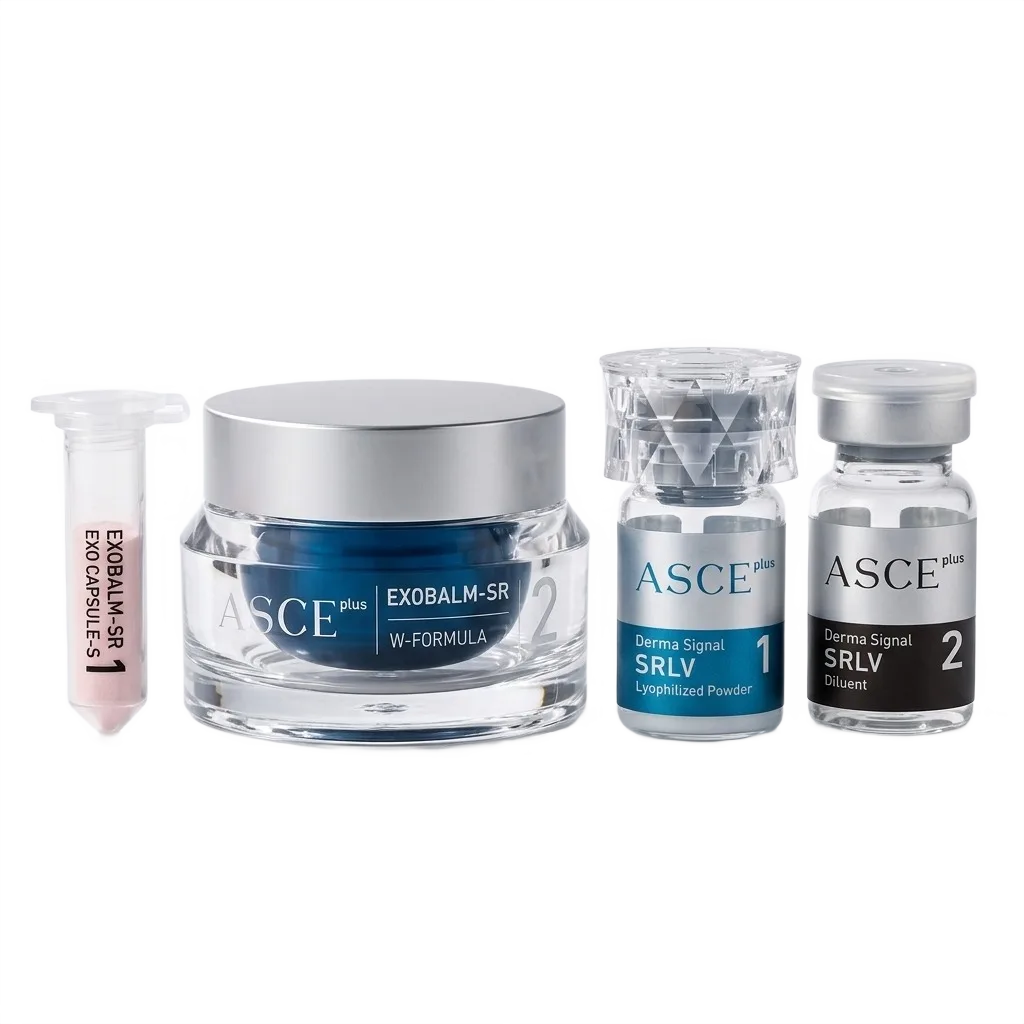
ASCE plus SRLV professional exosome kit
CLINICAL CASE REPORTSRLV + EXOBALM

ASCEplus SRLV · EXOBALM

Reported improvement of EGFR-inhibitor-associated skin toxicity
72 HOURS
Near-complete resolution of facial inflammatory changes reported
1 hourPruritus resolved after initial SRLV application
24 hSubstantial improvement in facial lesions
72 hMarked reduction / resolution of facial symptoms
72 hHip-region rash resolved after ExoBalm use
CASE REPORT · 1 PATIENT

Rose Stem-Cell-Derived Exosomes

Clinical context

A 41-year-old patient receiving panitumumab for advanced colorectal cancer developed severe acneiform rash and intense itching. Oral doxycycline was discontinued after two days because of gastrointestinal intolerance.

Products used

ASCEplus/SRLV™ containing rose stem-cell-derived exosomes was applied to facial lesions, with two layers in-clinic and twice-daily home use. Treatment was subsequently extended to hip-region lesions using ExoBalm™, described as containing RSCEs, tranexamic acid, madecassoside, D-panthenol and niacinamide.

Reported observations

1 hourPruritus resolved after initial SRLV application
24 hoursSubstantial improvement in facial lesions
72 hoursMarked improvement and resolution of facial symptoms
72 hoursHip-region rash, erythema and irritation resolved following twice-daily ExoBalm

Important interpretation

This is a single-patient case report, not a controlled clinical trial. The observations are encouraging but cannot establish efficacy, causation or generalizability. Standard medical care and oncology-team oversight remain essential.

Publication

Majewska et al. · Pharmaceuticals · 2025 · 18(8):1090 · DOI: 10.3390/ph18081090

VIEW PUBLICATION ↗
ASCEplus IRLV plant-derived exosomes used in a study combined with Er:YAG vaginal laser
CLINICAL STUDYASCEplus IRLV

ASCEplus IRLV · Genitourinary Syndrome of Menopause

Plant-derived exosomes combined with non-ablative Er:YAG vaginal laser
6 MONTHS
Clinical follow-up after a combined treatment protocol
20Women aged 45–63
4 sessionsEr:YAG laser, 4 weeks apart
4 mLASCEplus IRLV applied intravaginally after sessions
PILOT STUDY · 20 PARTICIPANTS

Er:YAG Laser + ASCEplus IRLV

Study overview

This pilot study evaluated the safety and clinical outcomes of combining non-ablative Er:YAG vaginal laser with topical intravaginal plant-derived exosomes (ASCEplus IRLV) in women experiencing genitourinary syndrome of menopause (GSM).

Participants and protocol

  • 20 women aged 45–63 years
  • Four non-ablative Er:YAG laser sessions (4 J, 3,600 pulses), spaced four weeks apart
  • 4 mL ASCEplus IRLV applied intravaginally following laser treatment
  • Assessment at baseline, 3 months and 6 months

Reported outcomes

  • Vaginal Health Index (VHI) scores improved significantly at 3 and 6 months
  • Female Sexual Distress Scale–Revised (FSDS-R) scores decreased significantly at 3 and 6 months
  • Reported improvement in vaginal dryness and dyspareunia
  • Improvement in mild urinary incontinence was also reported
  • No adverse events were reported in this study

Interpretation

The findings are promising, but this was a small pilot study of a combined laser and exosome protocol. The contribution of ASCEplus IRLV alone cannot be isolated. Larger controlled studies are needed.

Publication

Sophie Menkes · Aesthetic Surgery Journal · 2026 · 46 (Supplement 1): S89–S92 · DOI: 10.1093/asj/sjaf243

VIEW PUBMED PUBLICATION ↗
ASCEplus SRLV rose-derived exosome skincare
EXOCOBIO DATAASCEplus SRLV

ASCEplus SRLV · Triple Key Factors & Effects

PRDXs · Let-7b · CD44 — key factors presented in ExoCoBio’s SRLV material
690% · 300% · 75%
Manufacturer-reported data
Up to 690%Increase of collagen
Up to 300%Increase of elastin
Up to 75%Reduction of melanin
ASCEplus SRLV · EXOCOBIO

Triple Key Factors & Effects

Key factors

PRDXs — presented in relation to reversed aging; Let-7b — anti-inflammation; CD44 — enhanced absorption.

Manufacturer-reported data

  • Increase of collagen: up to 690%
  • Increase of elastin: up to 300%
  • Reduction of melanin: up to 75%

Source note

ExoCoBio · Unpublished data. These figures are manufacturer-reported data and should not be interpreted as independently verified clinical outcomes.
VIEW EXOCOBIO MATERIAL ↗
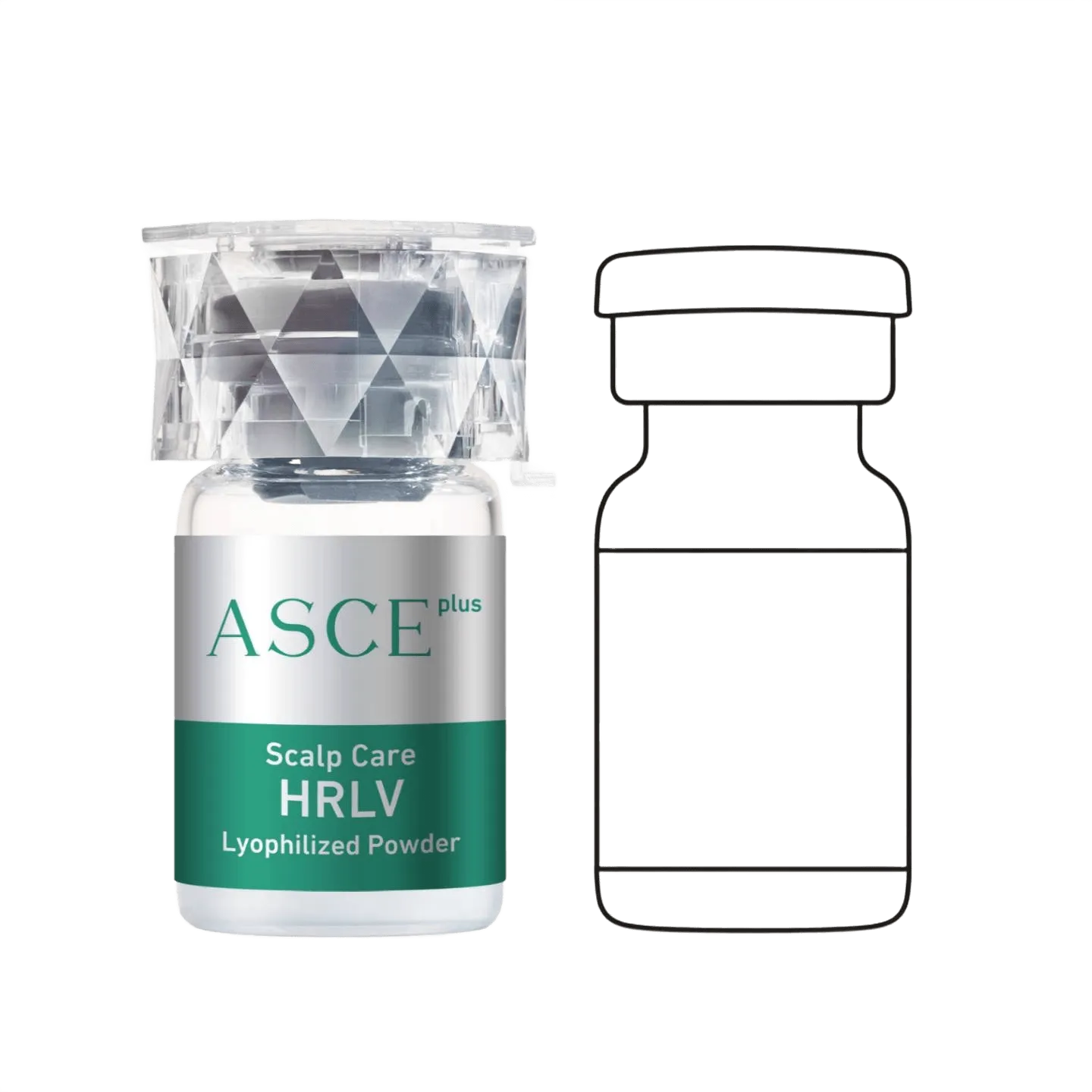
ASCEplus HRLV hair and scalp care
EXOCOBIO DATAASCEplus HRLV

ASCEplus HRLV · Multi Effects

A multi-effect approach for hair and scalp care
30% · 45%
Manufacturer-reported data
Up to 30%Hair dermal papilla cell proliferation
Up to 45%Cell senescence protection
ProtizánětlivéReduction of various inflammatory cytokines (IL-6, IL-4, TNF-α, etc.)
ASCEplus HRLV · EXOCOBIO

Hair & Scalp Multi Effects

Hair care

  • Hair dermal papilla cell proliferation: up to 30%
  • Cell senescence protection: up to 45%

Scalp care

Anti-inflammatory effect described as reducing various inflammatory cytokines, including IL-6, IL-4 and TNF-α.

Source note

ExoCoBio · Unpublished data. The values are manufacturer-reported and are not presented here as independent clinical outcomes.

VIEW EXOCOBIO MATERIAL ↗
ASCEplus IRLV intimate skincare
EXOCOBIO DATAASCEplus IRLV

ASCEplus IRLV · Intimate Regeneration

Data presented for vaginal epithelial cells (VK2) and intimate skin care
690% · 120%
Manufacturer-reported data
Up to 690%Increase in collagen synthesis
Up to 120%Increase in HA production in VK2 cells
AQP3Increased aquaporin expression / water transport regulation
ASCEplus IRLV · EXOCOBIO

Intimate Regeneration

Reported effects

  • Increase in collagen synthesis: up to 690%
  • Increase in hyaluronic acid production in VK2 cells: up to 120%
  • Increased Aquaporin 3 (AQP3) expression, described in relation to water transport regulation
  • Reduction of itch-inducing cytokines (TNF-α, IL-31, TSLP, etc.)
  • Improvement of vaginal dryness described as supporting skin barrier rebuilding and epidermal moisture

Source note

Ha et al. (2020), Cells 9:680; ExoCoBio · Unpublished data, as cited in the promotional material. Figures are manufacturer-reported.
VIEW EXOCOBIO MATERIAL ↗
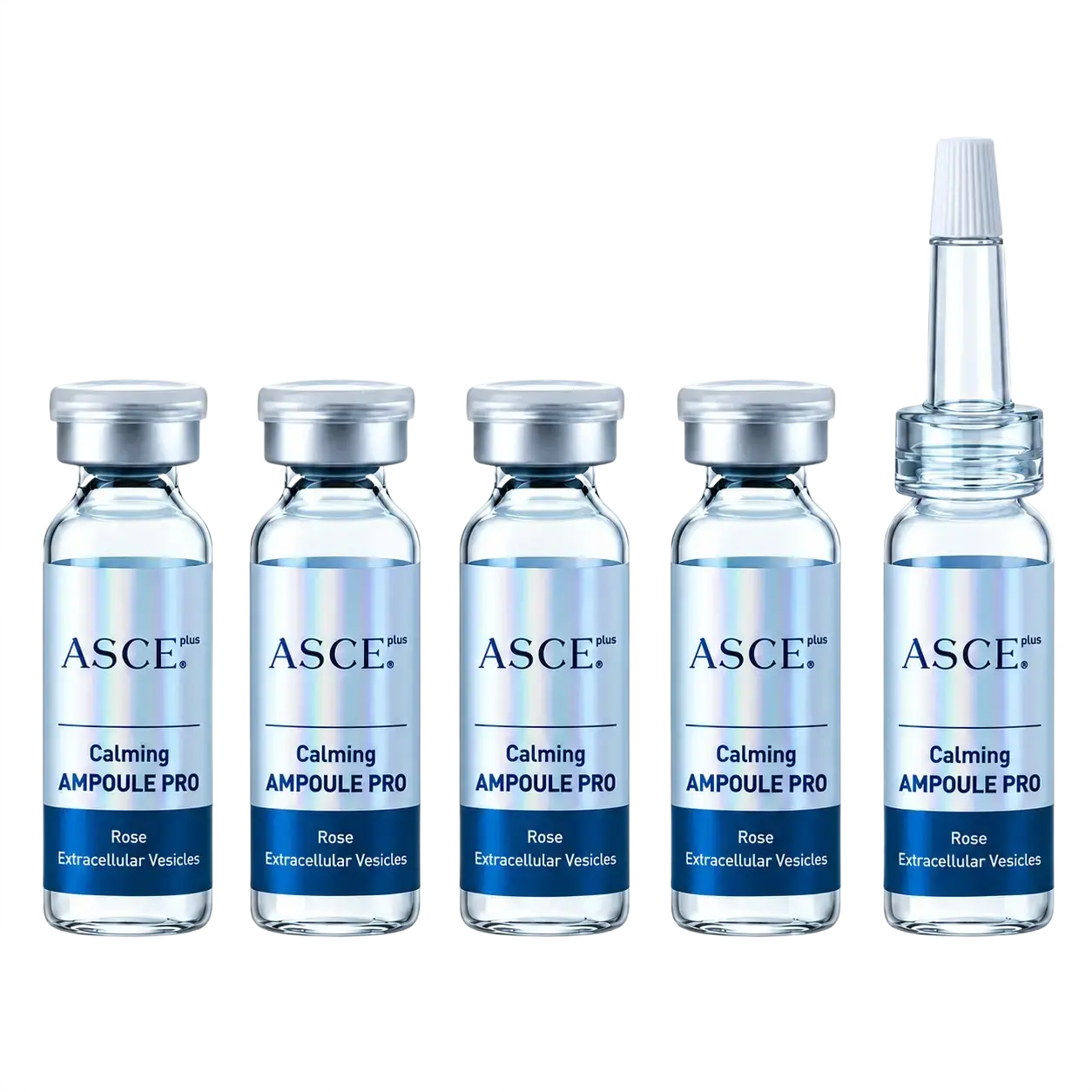
ASCE Plus Calming Ampoule PRO lineup
CLINICAL RESEARCHASCEplus

ASCEplus Zklidňující ampule PRO

Key formulation and skin performance highlights
+81%Hydration
−25.6%Redness
+93.888%Skin Glow
−81.05%Eye Wrinkles

Additional reported results: +12% elasticity · +15.512% cheek lifting · +67.157% soothing · +52.893% barrier comfort.

CLINICAL RESEARCHASCEplus

Calming Ampoule PRO

+81%Zlepšení hydratace pokožky
−25.6%Redukce zarudnutí
+12%Zvýšení elasticity
−81.05%Redukce vrásek pod očima
+93.888%Skin Glow Improvement
+15.512%Cheek Area Lifting
+67.157%Skin Soothing Improvement
+52.893%Calming & Barrier Comfort

Human Application Test · Immediate calming

P&K Skin Clinical Research Center · 7 July 2025 – 8 July 2025 · 32 subjects

  • Improvement in soothing immediate physical irritation (redness) right after a single use (Calming & Barrier Comfort): +52.893%.
  • Redness improvement immediately after use: 25.6%.
  • Precision measurement equipment listed: Cutometer MPA580, Epsilon E100, Antera 3D CS and Image Pro® Plus.

Human Application Test · Skin resilience

P&K Skin Clinical Research Center · 15 June 2026 – 3 July 2026 · 32 subjects

  • Helps soothe skin damaged by immediate (physical) stress with a 67.156% effect after a single use.
  • Helps alleviate skin barrier damage caused by external irritation (chemical irritation) compared to untreated area (Self-Resilience Repair) after 2 weeks of use.
  • Self-Resilience Repair refers to preventing damage to the skin barrier.

Packaging & use information

  • Maintains optimal condition until opening using an aluminum sealing method that blocks external stimuli at the source.
  • It is most effective to use one ampoule bottle within one week after opening.
  • The product is precisely filled to half the capacity of the standard container for ease of use and stability during vacuum packaging.

Source

P&K SKIN CLINICAL RESEARCH CENTER
VIEW PRODUCT ↗
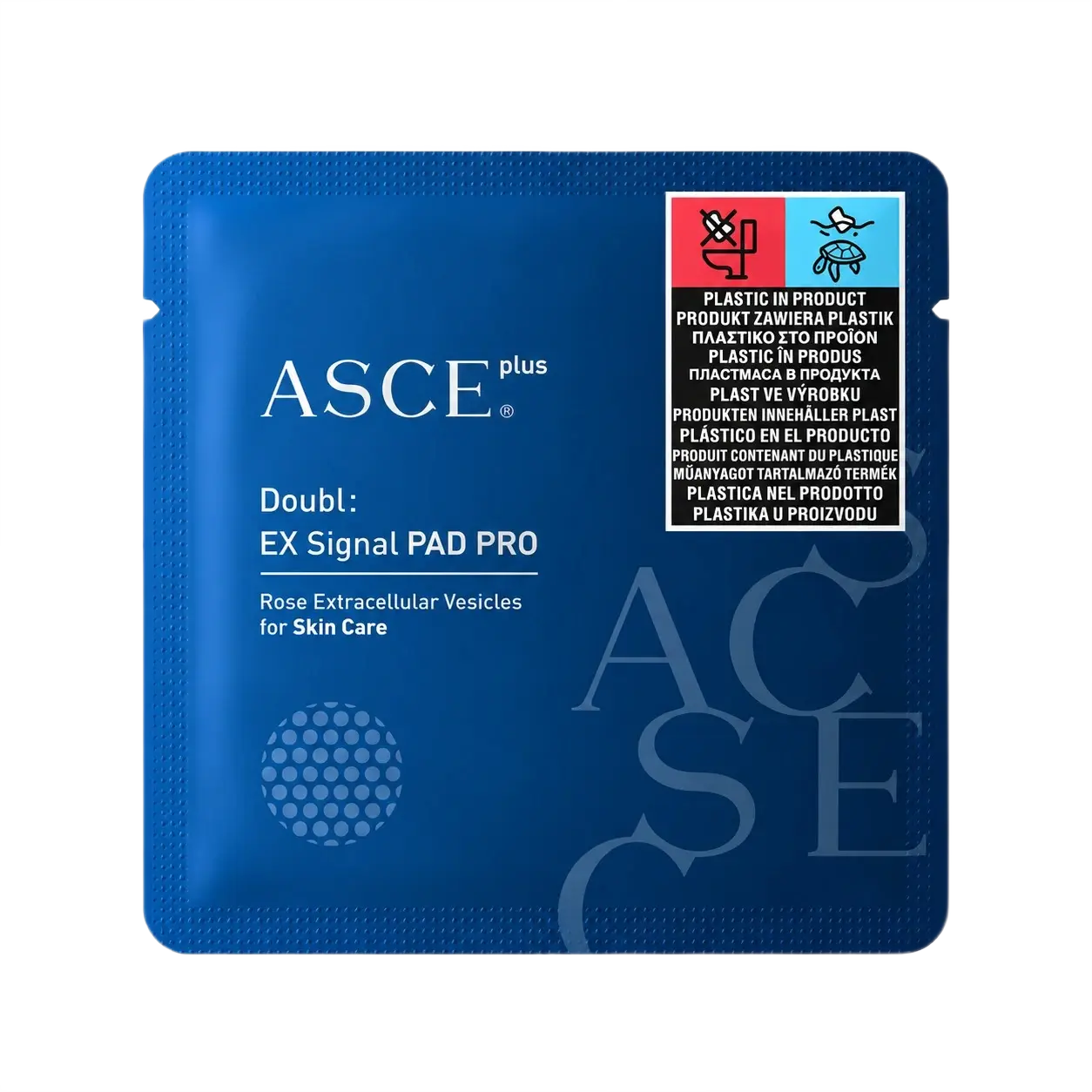
ASCE Plus EX Signal Pad PRO
SKIN PERFORMANCEASCEplus

ASCEplus EX Signal Pad PRO

Reported skin calming and absorption experience
84.383% · 99%
Skin calming after infrared heat stimulation · Near-zero waiting time for absorption
32Participants in calming test
27Participants in absorption result
SKIN PERFORMANCEASCEplus

EX Signal Pad PRO

84.383%Reported temporary skin calming following infrared heat stimulation
32 participantsTest period: May 27, 2026 – June 29, 2026
99%Reported near-zero waiting time for absorption
27 participantsParticipant group for the absorption-related result

Source

P&K SKIN CLINICAL RESEARCH CENTER.
VIEW PRODUCT ↗
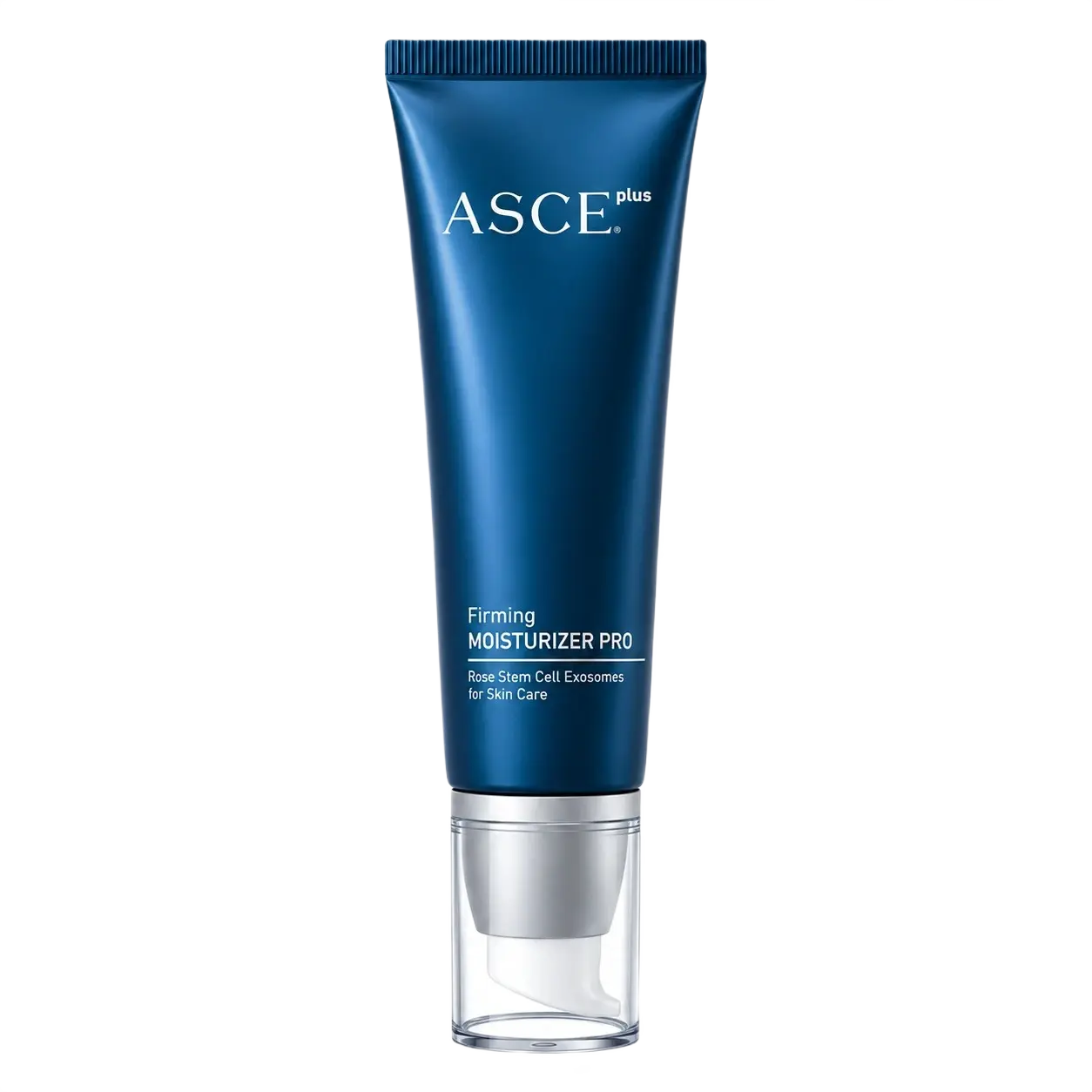
ASCE Plus Firming Moisturiser PRO
CLINICAL RESEARCHASCEplus

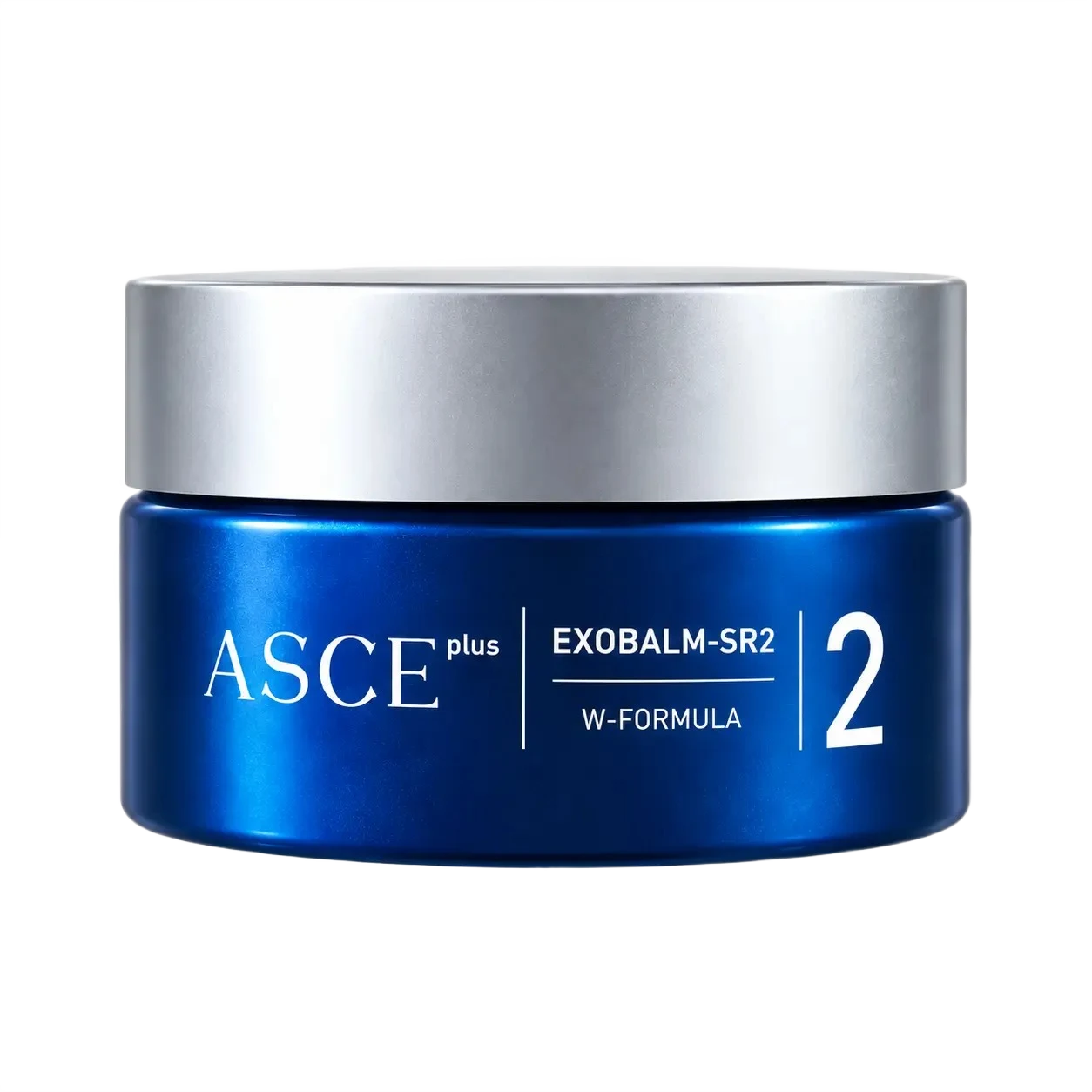
ASCEplus Firming Moisturiser PRO

Skin hydration and moisture-density evaluation
33 · 1 USE
Human participants · Skin moisture-density evaluation after a single application
33Human participants
1 applicationSingle-use evaluation
Jun 8–29, 2026Test period
CLINICAL RESEARCHASCEplus

Firming Moisturiser PRO

Skin hydrationEvaluation of skin moisture density following one application
33 participantsHuman application test
June 8, 2026 – June 29, 2026Reported test period

Source

P&K SKIN CLINICAL RESEARCH CENTER.
VIEW PRODUCT ↗
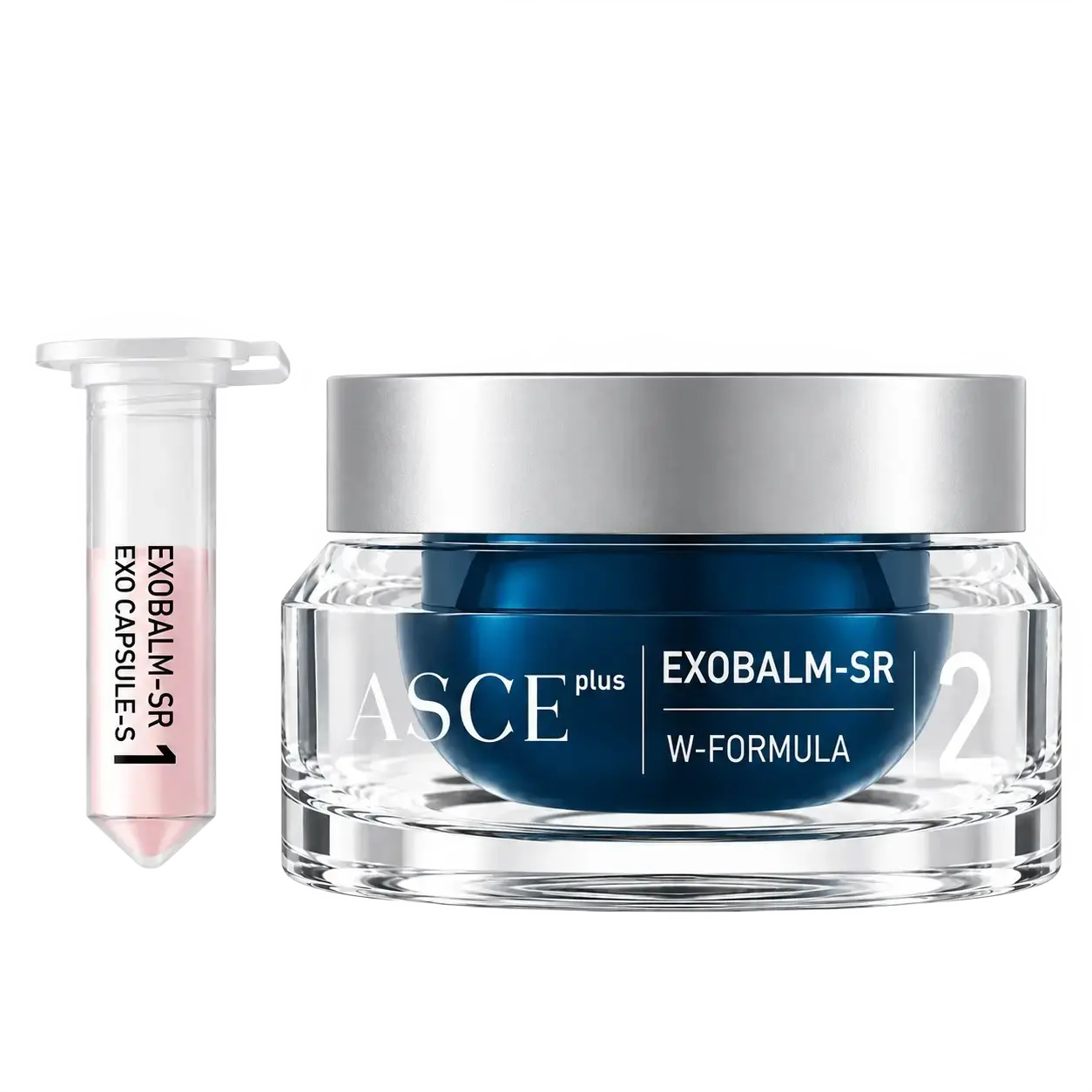
ASCEplus EXOBALM-SR2 Rose Exosome ExoBalm Night Cream
CLINICAL RESEARCHASCEplus

ASCEplus EXOBALM-SR2

Rose Exosome ExoBalm Night Cream · Firming hydration and skin performance
33 SUBJECTS · 4 WEEKS
Human application test · Multiple skin performance parameters
33Adult women in the application test
4 weeksEvaluation period
1 useMoisture-depth evaluation
CLINICAL RESEARCHASCEplus

EXOBALM-SR2 · Rose Exosome ExoBalm Night Cream

Human application test · 4 weeks

33 subjects · P&K Skin Clinical Research Center

Reported improvement in:

  • Crow’s feet (wrinkles around the eyes)
  • Skin elasticity
  • Skin tone
  • Pigmentation (melasma, age spots and melanin)
  • Radiance (glow)
  • Lifting
  • Skin density

Single-use moisturization test

33 adult women tested by P&K Skin Clinical Research Center.

Reported moisturization reaching up to the 10th layer of the stratum corneum after a single use.

Night care

Rose Exosome ExoBalm Night Cream is described as a night-care cream that completes firming hydration. The material states that effects are maximized when used as night care.

Source

P&K SKIN CLINICAL RESEARCH CENTER.
VIEW PRODUCT ↗
ASCEplus EXOMIST-S
CLINICAL RESEARCHASCEplus

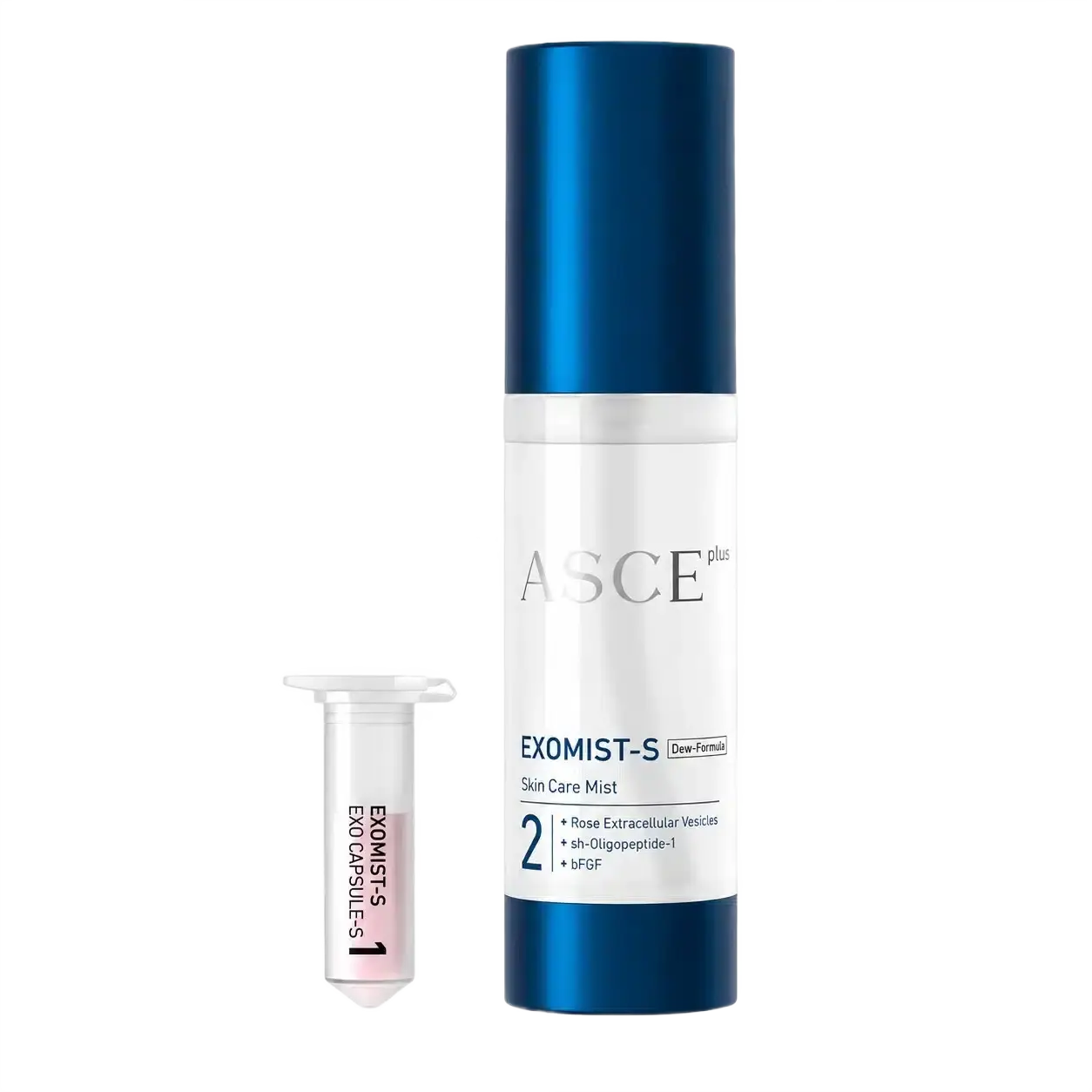
ASCEplus EXOMIST-S

Instant hydration, soothing and skin-performance evaluation
+613% · UP TO 10 LAYERS
Reported moisture penetration and deep hydration after one use
+73.2%Soothing after physical irritation · 1 use
+6.9%Elasticity and density · 4 weeks
+24.5%Melanin area improvement · 4 weeks
32Human application test subjects
CLINICAL RESEARCHASCEplus

EXOMIST-S

Human application test

32 subjects · P&K Skin Clinical Research Center · Reported test period: July 14, 2025 – August 13, 2025.

Instant hydration

  • Hydration up to 10 skin layers of the stratum corneum after a single use
  • Moisture sensation delivered quickly and deeply into the skin at the moment of spraying
  • Reported moisture penetration and deep hydration: +613% (1 use)

Soothing

  • Soothing after external physical irritation: +73.2% (1 use)
  • Reported four-times stronger soothing effect compared to untreated skin

Skin performance after 4 weeks

  • Visual improvement in elasticity and density: +6.9%
  • Melanin area improvement: +24.5%
  • Reported reduction in uneven skin tone, including melasma, blemishes and melanin-related appearance

Source

P&K SKIN CLINICAL RESEARCH CENTER.
VIEW PRODUCT ↗
ASCEplus EX Signal Control Lotion PRO
SKIN PERFORMANCEASCEplus

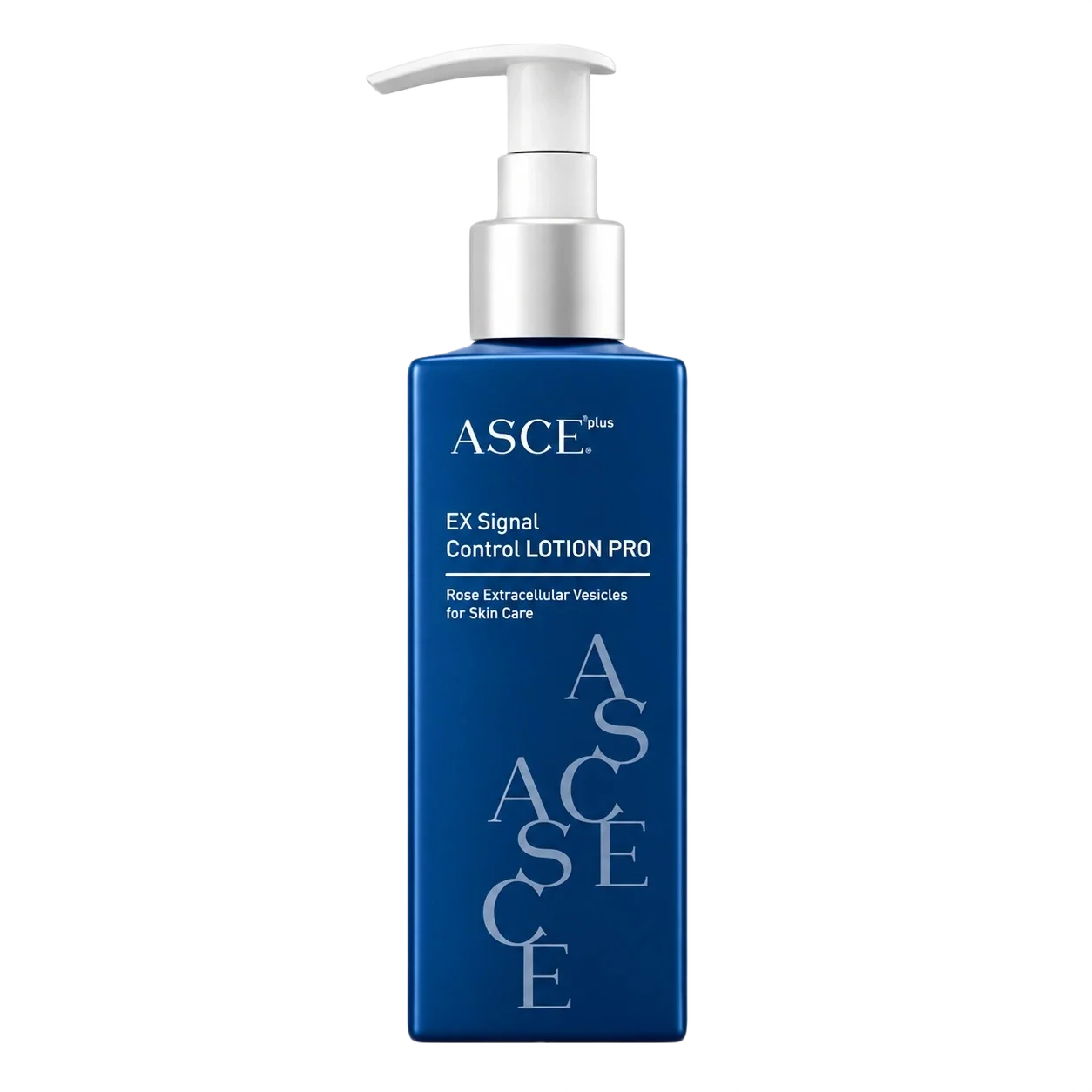
ASCEplus EX Signal Control Lotion PRO

Low-irritation care · Face & Body All-in-One Lotion
+95% · +85%
Reported immediate skin radiance and moisture density
+41%Hydration for extremely dry skin
+95%Immediate skin radiance
+85%Immediate moisture density
12 hoursReported lasting hydration
33Human test subjects
LOW-IRRITATIONSkin irritation test completed
CLINICAL RESEARCHASCEplus

EX Signal Control Lotion PRO

Hydration & skin performance

  • Face & Body All-in-One Lotion
  • Helps improve moisture content, itchiness and radiance
  • Non-sticky hydration, described as replenishment with a lasting effect of up to 12 hours
  • Hydration for extremely dry skin: +41%
  • Immediate moisture density: +85%
  • Immediate skin radiance: +95%
  • Moisture replenishment reported to reach up to the 10th layer of the stratum corneum after a single use

Human application test

33 subjects · P&K Skin Clinical Research Center · May 26, 2026 – July 3, 2026.

Low-irritation & non-allergic care

  • Skin irritation test completed
  • Low-irritation and non-allergic-care statements shown in the supplied material
  • Material describes the lotion as suitable for the whole family to use together

Additional reported effects

  • Soothing after external physical irritation: +73.2% (1 use)
  • Reported four-times stronger soothing effect compared with untreated skin
  • Skin safety and low-irritation human application tests are attributed to P&K Skin Research Center in the supplied material

Source & notes

P&K SKIN CLINICAL RESEARCH CENTER. The supplied material also references PubMed data and states that a skin-irritation test was completed.

VIEW PRODUCT ↗
ASCEplus Soothing Gel Mask
SKIN PERFORMANCEASCEplus

ASCEplus Soothing Gel Mask

Cooling efficacy test
−4.8°C
Cooling Efficacy Test
−4.8°CCooling efficacy
22Test participants
VIEW PRODUCT ↗
COOLING EFFICACY TESTASCEplus

Soothing Gel Mask

Cooling efficacy

−4.8°C reported in the Cooling Efficacy Test.

Test information

22 participants · 29 March 2023.

Source

INTERTEK TESTING SERVICE · Cooling Efficacy Test · 29 March 2023 · 22 participants.
VIEW PRODUCT ↗
ASCEplus Sunshine Cushion PRO
SKIN SAFETYASCEplus

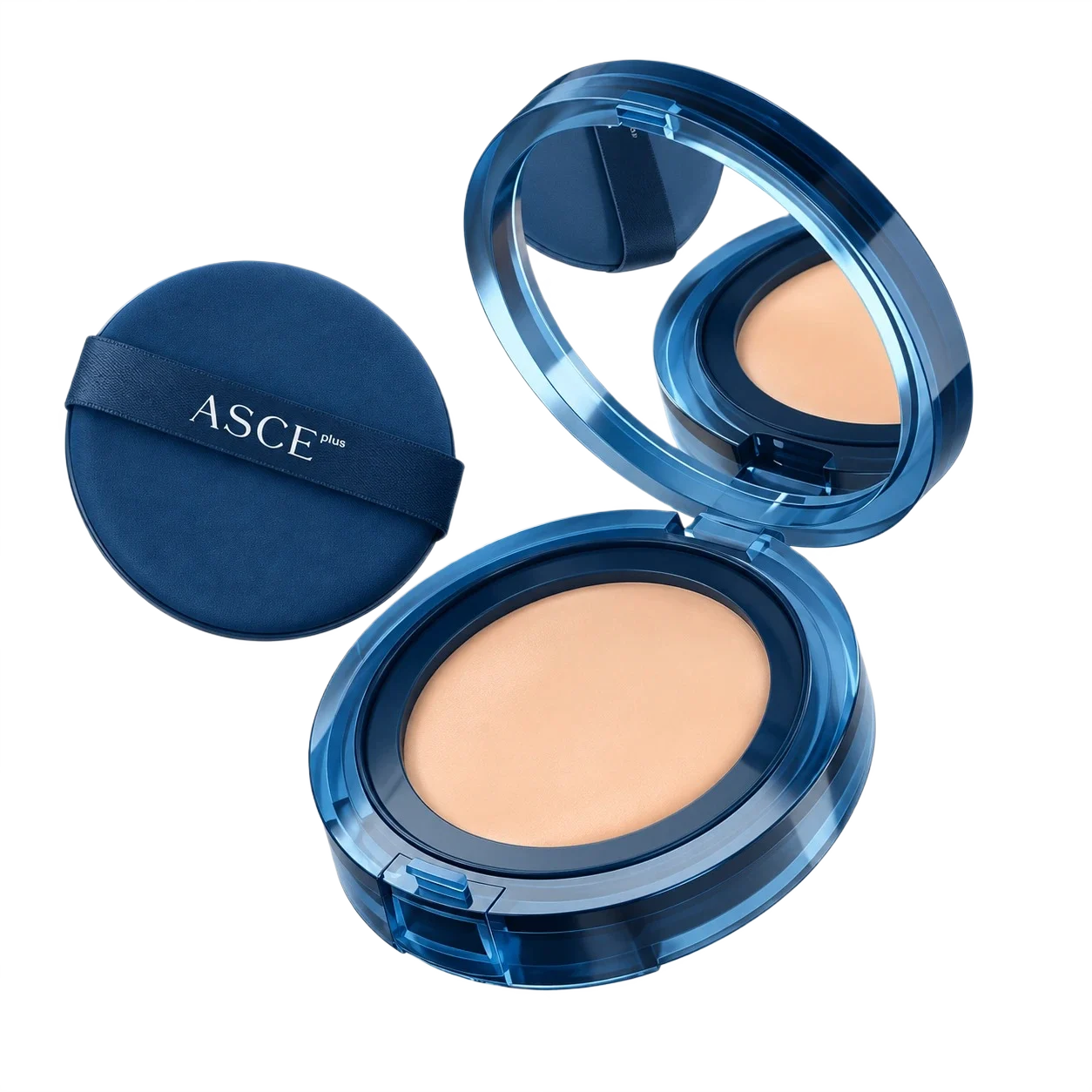
ASCEplus Sunshine Cushion PRO

Full care against irritation even with powerful efficacy
LOW-IRRITATION
Skin safety and low-irritation human application tests completed
SKIN SAFETYHuman application test completed
LOW IRRITATIONHuman application test completed
2026Reported test period
SKIN SAFETYCLINICAL TESTING

Sunshine Cushion PRO

Skin safety & low-irritation testing

Full care against irritation even with powerful efficacy. The supplied material states that skin safety and low-irritation human application tests were completed.

Human application test results

  • Skin Safety: Human application test completed, attributed to P&K Skin Research Center.
  • Low Skin Irritation: Human application test completed, attributed to P&K Skin Research Center.

Reported test dates

  • P&K Skin Clinical Research Center: June 8, 2026 – July 9, 2026 · human application test results.
  • P&K Skin Clinical Research Center: June 8, 2026 – July 10, 2026 · human application test results.

Source & notes

P&K SKIN CLINICAL RESEARCH CENTER. The supplied material reports completion of skin safety and low-irritation tests. Detailed numerical outcomes were not included in the screenshots provided.

VIEW PRODUCT ↗
Selected publications, clinical observations and product information. Scientific findings should be interpreted within the limitations of the respective study designs.

Rose Stem-cell-derived Vesicles

Research exploring the biological properties and skin-related potential of rose stem-cell-derived extracellular vesicles.

PRECLINICAL RESEARCH 2023

Biological Function of Exosome-like Particles Isolated from Rose (Rosa Damascena) Stem Cell Culture Supernatant

Won et al.
bioRxiv · Preprint
Preclinical research investigating rose-derived exosome-like particles in skin-related cellular models.
Rosa Damascena Rose-derived research
Extracelulární vezikuly Vesicle-like particles
Melanogenesis Pigmentation research
Inflammation Cellular response research
CLINICAL CASE SERIES 2024

A New Therapeutic Approach With Rose Stem-Cell-Derived Exosomes and Non-Thermal Microneedling for the Treatment of Facial Pigmentation

Theodorakopoulou et al.
Aesthetic Surgery Journal Open Forum · Preliminary Report
Preliminary clinical case series exploring rose stem-cell-derived exosomes combined with non-thermal microneedling.
Rose Stem Cells Derived vesicles
Pigmentation Facial pigmentation
Microneedling Non-thermal technique
Clinical Research Preliminary findings
CASE SERIES & REVIEW 2025

Efficacy of Rose Stem Cell-Derived Exosomes (RSCEs) in Skin Treatment: From Healing to Hyperpigmentation Management

Majewska et al.
Journal of Cosmetic Dermatology
Case series and literature review discussing rose stem-cell-derived exosomes in skin treatment.
RSCEs Rose stem-cell-derived vesicles
Skin Healing Healing-related research
Hyperpigmentation Pigmentation management
Skin Treatment Dermatological research

Clinical Research

Explore clinical studies and published research investigating extracellular vesicles in aesthetic dermatology, skin rejuvenation and pigmentation management. Discover clinical observations, treatment outcomes and scientific findings from studies exploring exosome-based approaches in combination with dermatological procedures.

CLINICAL CASE SERIES 2024

A New Therapeutic Approach With Rose Stem-Cell-Derived Exosomes and Non-Thermal Microneedling for the Treatment of Facial Pigmentation

Theodorakopoulou et al.

A clinical case series investigating a combined treatment approach using rose stem-cell-derived exosomes, non-thermal microneedling and LED therapy for facial pigmentation and skin appearance.

12 Participants 12-Week Follow-Up Combination Treatment
Study context: Results relate to a combined treatment protocol involving microneedling, exosomes and LED. The contribution of each individual treatment component cannot be isolated.
VIEW SCIENTIFIC PUBLICATION ↗
REPORTED OUTCOMES
12.95% Superficial pigmentation 15.9% Deep pigmentation 7.34% Redness 6.34% Wrinkles
PILOT OBSERVATIONAL STUDY 2024

Efficacy and Tolerability of a Microneedling Device Plus Exosomes for Treating Melasma

Clinical study · Applied Sciences

A clinical pilot study evaluating the combined use of a microneedling device and exosomes in individuals with melasma, examining changes in pigmentation and treatment outcomes.

20 Participants Melasma Microneedling + Exosomes
Study context: Pilot observational research. The combined intervention does not allow the independent effect of exosomes to be determined. The findings should be interpreted in light of the study design and sample size.
VIEW SCIENTIFIC PUBLICATION ↗
REPORTED OUTCOME
90% Reported improvement

Exosome Science

Discover the science of extracellular vesicles — from their role in intercellular communication to their emerging applications in skin regeneration and dermatology. Explore published research investigating their biological mechanisms, regenerative potential and evolving role in modern skincare science.

EXOSOME SCIENCE Research

Extracellular Vesicles and Intercellular Communication

Cellular communication research
Extracellular vesicles are studied as biological carriers involved in intercellular communication. Research explores how vesicle-associated molecules may participate in the transfer of biological information between cells.
Scientific research on extracellular vesicles and their potential role in biological communication.
Proteins Vesicle-associated cargo
Lipids Membrane composition
RNA Molecular transport
Cells Cell-to-cell interaction
SKIN BIOLOGY Research

Extracellular Vesicles in Skin Regeneration and Repair

Dermal biology research
Studies investigate extracellular vesicles in skin-related biological processes, including cellular activity, extracellular matrix interactions and mechanisms associated with tissue repair.
Research findings vary according to experimental models, methods and study conditions.
Collagen Matrix research
Fibroblasts Dermal cellular activity
Repair Tissue recovery processes
Matrix Skin structural biology
CELLULAR SIGNALLING Research

Extracellular Vesicles and Cellular Signalling Pathways

Cell signalling research
Extracellular vesicle research examines how vesicle uptake and associated molecular cargo may influence cellular responses and signalling mechanisms in recipient cells.
The biological effects of extracellular vesicles depend on their origin, cargo and experimental context.
Uptake Recipient cell interaction
Cargo Vesicle-associated molecules
Signals Cell response mechanisms
Pathways Signalling research

Extracellular Vesicles & Skin Biology

Scientific research exploring the role of extracellular vesicles in skin biology, including cellular communication, fibroblast activity, extracellular matrix and processes associated with skin regeneration and repair.

SKIN STRUCTURE & BIOLOGY 01

Extracellular Vesicles, Fibroblasts and the Dermal Extracellular Matrix

Research focus · Dermal biology

Research exploring fibroblast biology, extracellular matrix organization and the cellular processes involved in maintaining dermal structure. Extracellular vesicles are investigated in the context of cell-to-cell communication and biological interactions within the skin microenvironment.

Fibroblasts Extracellular Matrix Dermal Biology
Research context: Fibroblasts are key cells involved in dermal extracellular matrix production and maintenance. Research into extracellular vesicles explores their potential role in intercellular communication.
RELATED BIOLOGICAL PROCESSES
COLLAGEN Matrix proteins FIBROBLASTS Dermal cells ECM Matrix organization DERMIS Skin structure
SKIN BARRIER & HOMEOSTASIS 02

Extracellular Vesicles and Skin Barrier Biology

Research focus · Epidermal biology

Scientific research examining skin barrier biology, epidermal homeostasis and processes associated with skin repair. Studies investigate extracellular vesicles in relation to cellular interactions within the skin and biological pathways involved in maintaining skin integrity.

Kožní bariéra Epidermis Homeostasis
Research context: Skin barrier function depends on the coordinated organization of epidermal cells and the surrounding lipid environment. Research explores biological processes involved in barrier maintenance and repair.
RELATED BIOLOGICAL PROCESSES
BARRIER Skin integrity EPIDERMIS Skin cells REPAIR Biological processes HOMEOSTASIS Cellular balance
CELLULAR COMMUNICATION 03

Extracellular Vesicles and Cellular Signalling

Research focus · Intercellular communication

Research investigating how extracellular vesicles participate in intercellular communication, including vesicle uptake, molecular cargo transfer and cellular responses. These processes are studied across different biological systems, including research relevant to skin biology.

Cell Signalling Vesicular Cargo Cellular Interactions
Research context: Extracellular vesicles can carry molecules including proteins, lipids and nucleic acids. Their biological effects depend on vesicle origin, cargo, recipient cells and the experimental context.
RELATED BIOLOGICAL PROCESSES
UPTAKE Vesicle interaction CARGO Molecular contents SIGNALS Cell communication RESPONSE Recipient cells

Research Institution Affiliations

Institutional affiliations are referenced in selected scientific publications. Displayed institutions are not presented as endorsers of ASCE plus, EXOCOBIO or ASCEplus.store.
Explore Scientific Publications↗
Explore scientific publications and research featured by EXOCOBIO.