
Vitiligo is a skin condition that can cause areas of the skin to lose their natural pigmentation. For many people, these lighter patches can have a significant impact on confidence and everyday life.
At the same time, scientists are increasingly studying exosomes and extracellular vesicles because of their role in communication between cells and their possible involvement in processes related to skin biology, inflammation and pigmentation.
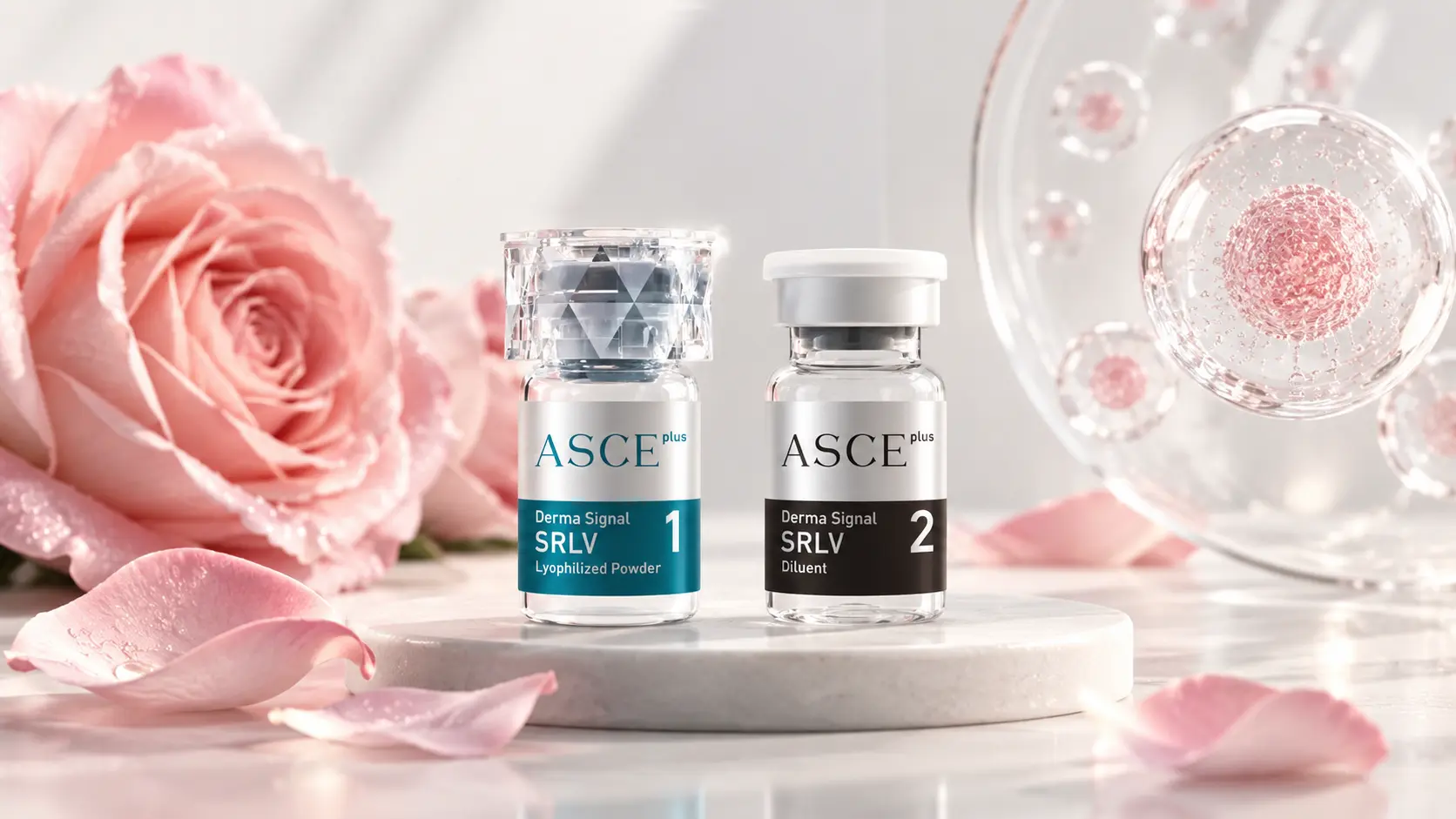
One technology that has attracted attention in professional skincare is ASCE Plus SRLV, which uses exosome technology associated with Rosa damascena.
But what exactly is the connection between exosomes, pigmentation and vitiligo?
Let’s take a simple look at what is currently known.
What Is Vitiligo?
Vitiligo is a pigmentation disorder in which areas of the skin lose melanocytes — the cells responsible for producing melanin, the pigment that gives skin its natural colour.
As melanocytes are lost or become dysfunctional, lighter or completely depigmented patches can appear on different areas of the body.
Vitiligo is a complex condition involving several biological mechanisms, including oxidative stress and immune-related processes.
This is one of the reasons why researchers are interested in understanding how skin cells communicate with each other and what may influence melanocyte survival and melanin production.
Why Are Researchers Interested in Exosomes?
Exosomes are tiny extracellular vesicles released by cells.
A simple way to think about them is as small biological communication packages.
They can carry molecules such as proteins, lipids and RNA and participate in communication between cells.
Research has shown that extracellular vesicles can influence processes involving skin cells, including communication between keratinocytes and melanocytes.
This has led scientists to investigate whether exosome-based approaches could eventually have applications in areas such as pigmentation, skin regeneration and inflammatory skin conditions.
Importantly, not all exosomes have the same biological effects.
Their properties can depend on their source, their molecular contents and the environment in which they are produced.
Exosomes and Melanogenesis
One particularly interesting area is melanogenesis — the process through which melanocytes produce melanin.
Researchers have found that extracellular vesicles can influence melanocyte activity and the expression of proteins involved in melanin production.
For example, laboratory research has shown that certain exosomes can influence melanocyte survival and melanogenesis under oxidative-stress conditions.
Other research has investigated how exosomes released by keratinocytes communicate with melanocytes and influence pigmentation-related pathways.
This is important because it shows that exosome research and pigmentation biology are connected.
However, it is equally important to understand that laboratory research does not automatically mean that an exosome product has been proven to treat vitiligo in people.
The research is still developing.
What Is ASCE Plus SRLV?
ASCE Plus SRLV is a professional skin-care system based on exosome technology developed in connection with ExoCoBio.
One of the key technologies associated with the ASCE Plus platform is ExoSCRT®, ExoCoBio’s proprietary exosome production and purification technology.
The ASCE Plus technology is also associated with Rosa damascena callus-derived extracellular vesicles.
In other words, this is not simply a traditional rose extract.
The technology involves extracellular vesicles associated with Rosa damascena callus culture.
ExoCoBio itself describes this ingredient as a Rose Stem Cell-Derived Exosome and lists the cosmetic ingredient as:
Water (and) Rosa Damascena Callus Extracellular Vesicles.
This distinction is important because a conventional botanical extract and extracellular vesicles are two different types of ingredients. You can learn more about this difference in our article, Exosomes vs. Plant Extracts in Skincare.
Why Rosa damascena?
Rosa damascena, commonly known as the Damask rose, has been used extensively in cosmetic and botanical research.
More recently, researchers have become interested in extracellular vesicles derived from Rosa damascena callus cultures.
A 2026 study specifically characterized Rosa damascena callus-derived exosome-like vesicles and investigated their biological activity in skin-related cellular models.
The researchers reported that the vesicles could be taken up by human dermal fibroblasts and observed several biological activities in laboratory models, including effects related to collagen production, pigmentation and inflammatory signalling.
These results are interesting, but there is an important distinction:
The study was performed in cellular models. It was not a clinical trial proving that Rosa damascena-derived vesicles treat vitiligo in humans.
So What Does This Have to Do With Vitiligo?
This is where the topic becomes particularly interesting.
Vitiligo involves the loss or dysfunction of melanocytes, while research into extracellular vesicles is increasingly examining how cells communicate, how melanocytes respond to their environment and how melanin production is regulated.
Research reviews have described possible roles for exosomes in:
- melanocyte communication,
- melanogenesis,
- immune regulation,
- keratinocyte–melanocyte communication,
- oxidative stress,
- and melanocyte survival.
Some laboratory studies have even found that certain exosomes can support melanocyte function under specific experimental conditions.
But there is another important side to the story.
Some exosomes can also contribute to processes associated with vitiligo progression, depending on their cellular source and molecular cargo. Recent studies have identified exosomal signals that can promote inflammatory activity or negatively affect melanocytes.
This tells us something important:
Exosomes are not automatically “good” or “bad”. Their biological effect depends on where they come from, what they contain and how they are used.
That is one reason why the technology used to produce and characterize extracellular vesicles matters.
ASCE Plus SRLV and Clinical Cases
Scientific research is one part of the story.
Another is what professionals have reported from individual clinical cases.
Material published in connection with ASCE Plus SRLV includes clinical images of a vitiligo case presented by Dr. Nakhle Ayoub and Dr. Ghada Kassir showing Before and After images following treatment sessions with ASCE Plus SRLV.
The material presents images after one, two and three sessions.
Before & After — ASCE Plus SRLV
This clinical material shows an individual case presented in connection with ASCE Plus SRLV.
Another Clinical Example
Before-and-after clinical photography can provide a visual impression of changes observed in an individual case, but it cannot replace controlled clinical research.
Additional Clinical Images
The photographs are particularly interesting because pigmentation changes are something that can be understood visually without needing a complex scientific explanation.
What Can We Learn From These Images?
Before-and-after photographs can show that visible changes in pigmentation were observed in an individual case.
That makes them interesting and worth looking at.
However, photographs alone cannot tell us exactly how much of the improvement was caused by a particular product or procedure.
Factors such as:
- the individual patient’s condition,
- other treatments,
- treatment frequency,
- the duration of treatment,
- natural changes in pigmentation,
- lighting and photography,
can all influence how Before and After images appear.
For this reason, these images should be viewed as clinical case documentation, rather than as proof that ASCE Plus SRLV can cure vitiligo.
What Does the Scientific Research Tell Us?
The research surrounding exosomes and pigmentation is growing.
Scientists are investigating how extracellular vesicles can influence communication between skin cells, melanocyte activity, melanin production and immune pathways.
Several experimental studies have reported potentially interesting effects on melanocytes and pigmentation.
Research in animal models has also investigated exosome-based approaches for vitiligo, with some studies reporting improvements in depigmentation and melanocyte-related mechanisms.
However, these studies involve different types of exosomes and different experimental systems.
They should not be interpreted as proof that every exosome product will have the same effect.
And most importantly, the current research does not establish ASCE Plus SRLV as a clinically proven cure for vitiligo.
Why Is ASCE Plus SRLV Interesting?
There are several reasons why ASCE Plus SRLV is attracting attention in professional skincare.
🌹 Rosa damascena
The technology is associated with extracellular vesicles derived from Rosa damascena callus culture.
🔬 Exosome Technology
ASCE Plus is built around exosome technology developed by ExoCoBio, including the proprietary ExoSCRT® technology.
🧬 Cellular Communication
Extracellular vesicles are being studied for their role in communication between cells and their potential involvement in skin biology.
📚 Growing Research
Research into exosomes, melanocytes, melanogenesis and vitiligo is continuing to expand.
📸 Clinical Experience
Individual clinical cases involving ASCE Plus SRLV and vitiligo have also been presented, including Before and After photographic documentation.
Can ASCE Plus SRLV Treat Vitiligo?
This is probably the most important question.
The honest answer is:
There is currently not enough clinical evidence to say that ASCE Plus SRLV is a proven cure for vitiligo.
The scientific field of exosomes and pigmentation is developing, and laboratory and preclinical research is producing interesting results.
At the same time, individual clinical cases can show promising observations that deserve further investigation.
The difference between these two things is important.
A clinical photograph can show what happened in one person.
A controlled clinical study is needed to determine how consistently a treatment works across a larger group of people.
The Bigger Picture
The interesting part of ASCE Plus SRLV is not simply the word “exosome.”
It is the combination of:
Rosa damascena-derived extracellular vesicles
ExoCoBio’s exosome technology
research into cellular communication and skin biology
professional clinical experience
This is what makes the technology interesting to follow as research continues.
And for people interested in pigmentation and skin regeneration, the field of extracellular vesicles is certainly one worth watching.
Final Thoughts
Vitiligo is a complex condition, and there is no single simple explanation for why melanocytes are lost.
At the same time, modern research is giving scientists a better understanding of how skin cells communicate and how extracellular vesicles may influence processes involved in pigmentation, inflammation and cellular function.
ASCE Plus SRLV represents one professional application of this developing technology, using a system associated with Rosa damascena-derived extracellular vesicles and ExoCoBio’s exosome technology.
The clinical photographs presented in connection with SRLV are certainly interesting to look at — but they should be understood as individual clinical cases rather than proof of a cure.
As research continues, the relationship between extracellular vesicles, melanocytes and pigmentation may become even clearer.
For now, the science is promising, the clinical observations are interesting, and further research is needed.
Important Note
This article is for informational purposes only and does not constitute medical advice. Vitiligo is a medical condition. Clinical photographs represent individual cases and individual results may vary. The information presented here should not be interpreted as a claim that ASCE Plus SRLV can cure or medically treat vitiligo. Anyone with vitiligo should consult a qualified healthcare professional regarding diagnosis and treatment options.
Frequently Asked Questions
Vitiligo is a skin condition in which areas of the skin lose their natural pigment. This happens when melanocytes, the cells responsible for producing melanin, are affected or lost.
Exosomes are small extracellular vesicles that can carry biological molecules between cells. Researchers are studying their potential role in cell communication, skin biology, regeneration and pigmentation. Their effects can depend on their source, biological cargo and the specific conditions in which they are used.
Research suggests that extracellular vesicles can influence communication between skin cells, including melanocytes and keratinocytes, and may affect melanogenesis, the biological process responsible for melanin production. However, research in this area is still developing and results can vary depending on the source and characteristics of the extracellular vesicles.
ASCE Plus SRLV is a professional skincare system based on ExoCoBio’s exosome technology. It includes Rosa damascena callus-derived extracellular vesicles together with other skincare ingredients designed for professional skin care applications.
ASCE Plus SRLV should not be presented as a proven cure or treatment for vitiligo. Although research and individual clinical cases have generated interest in exosome-based approaches, more clinical evidence is needed to determine their effectiveness for vitiligo. Anyone with vitiligo should consult a qualified healthcare professional.
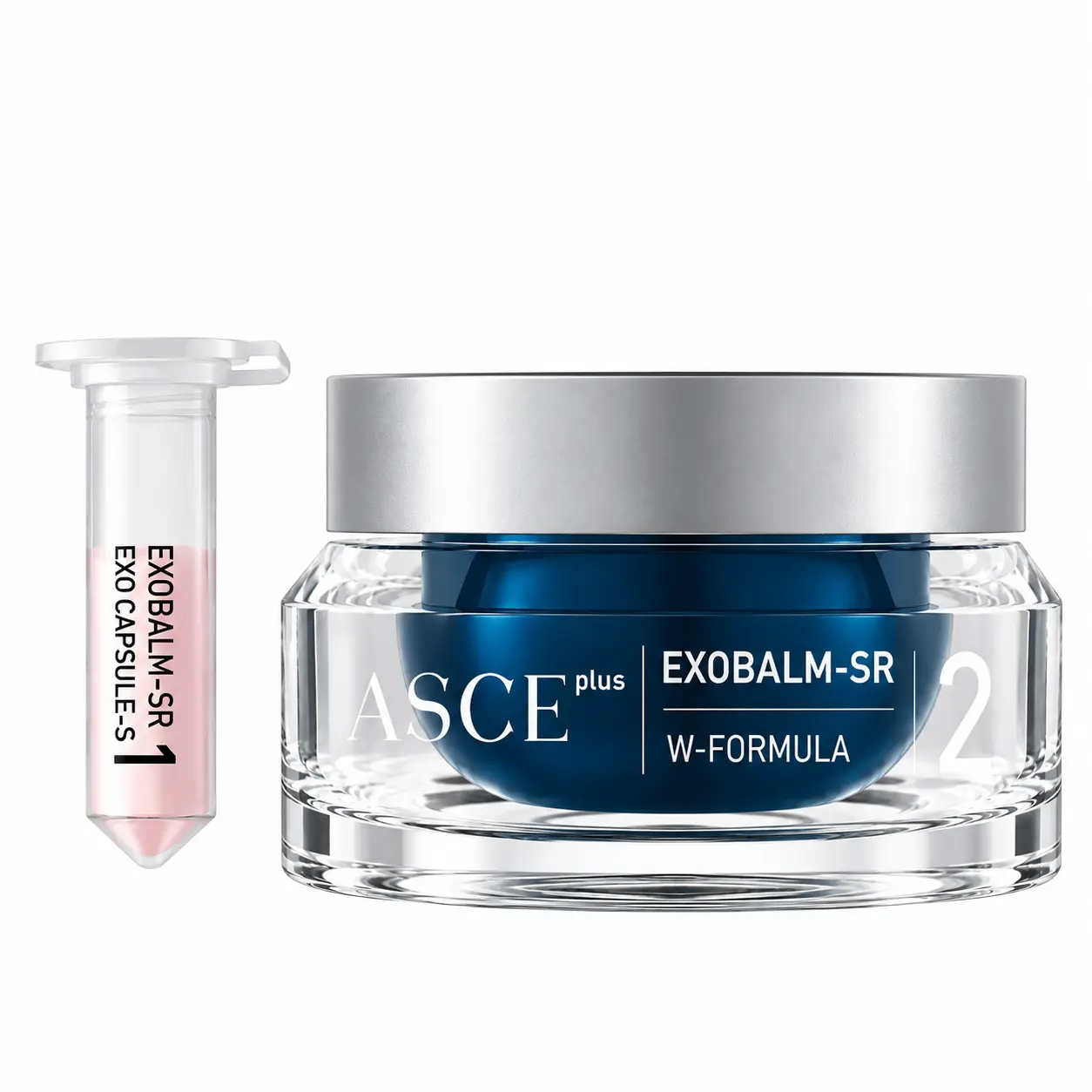
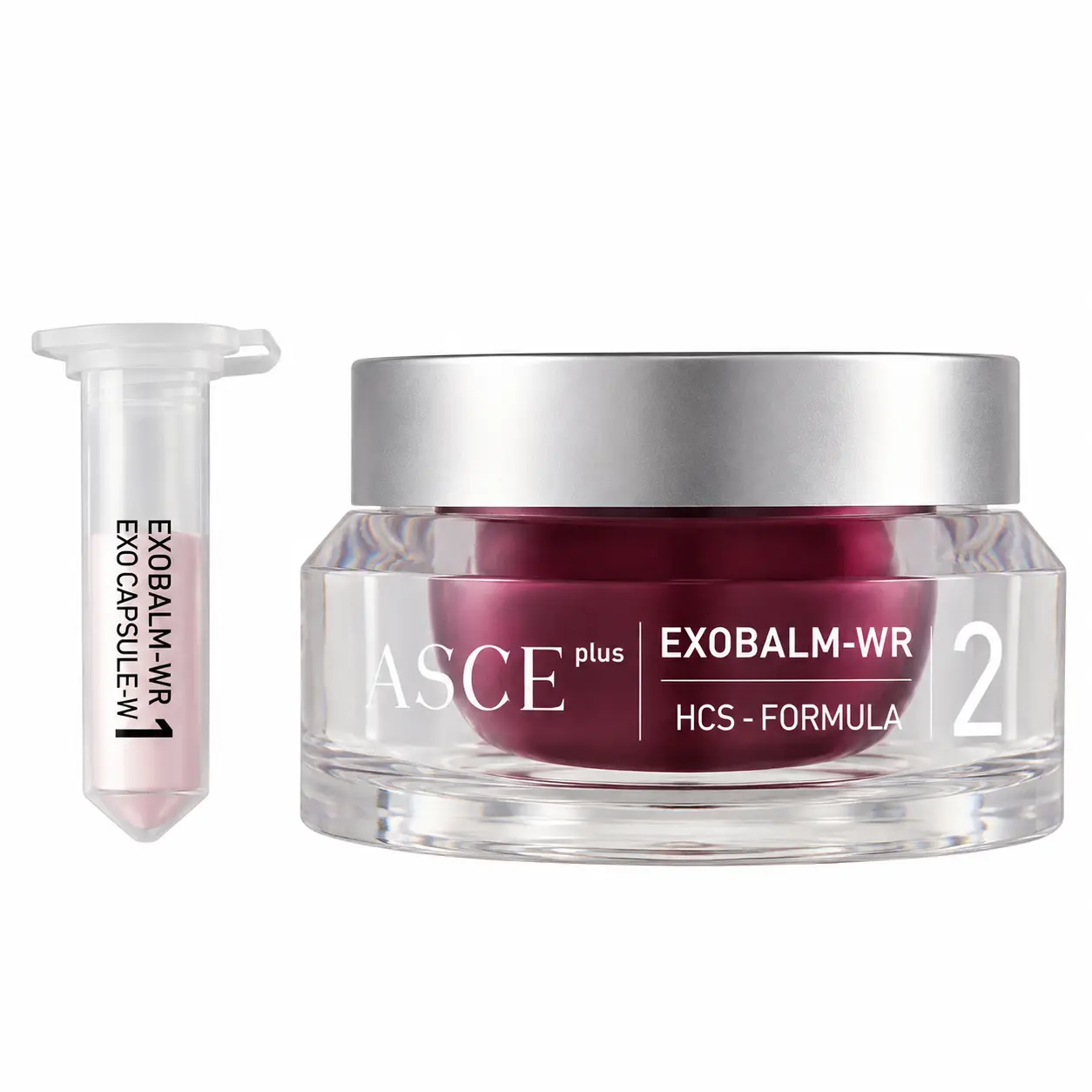
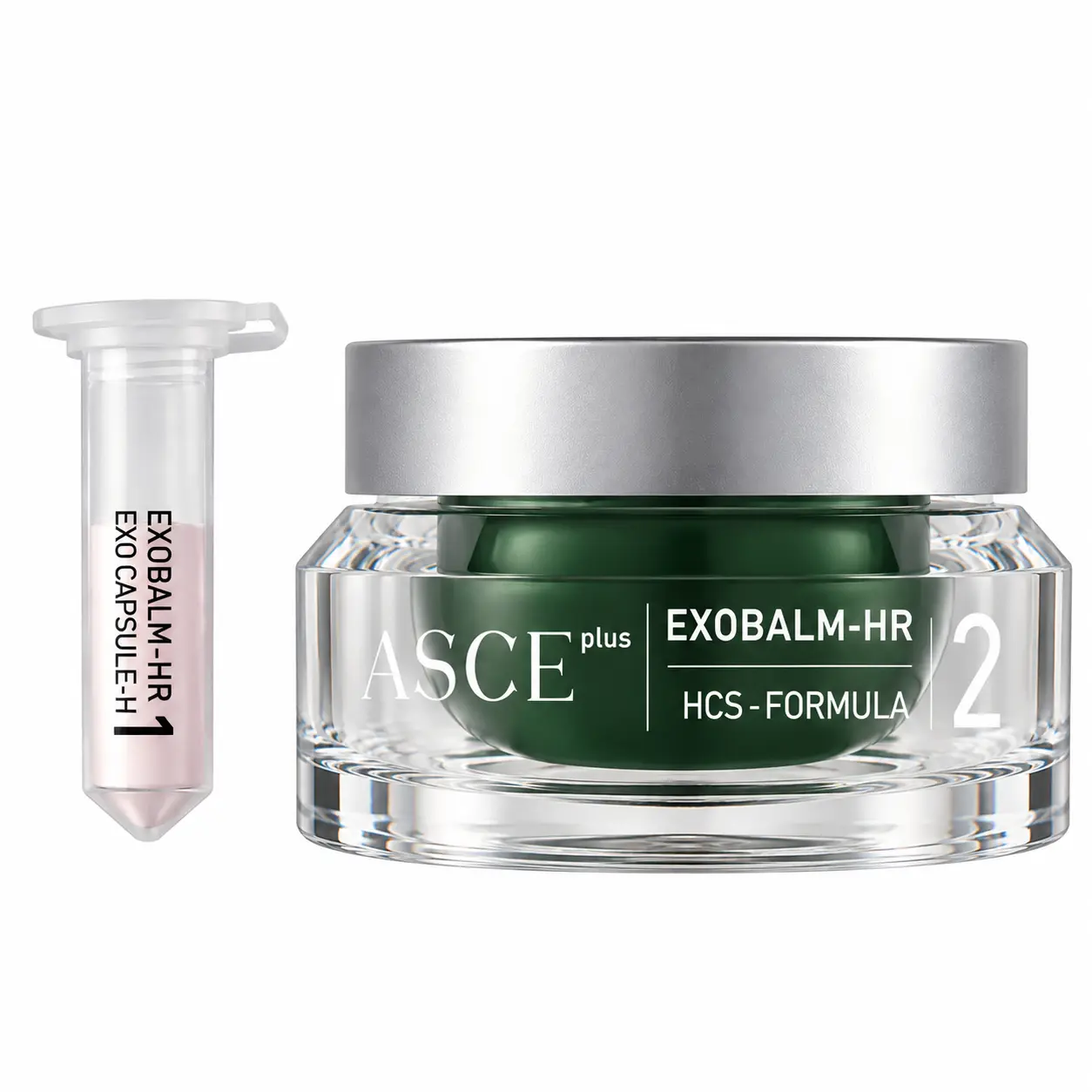
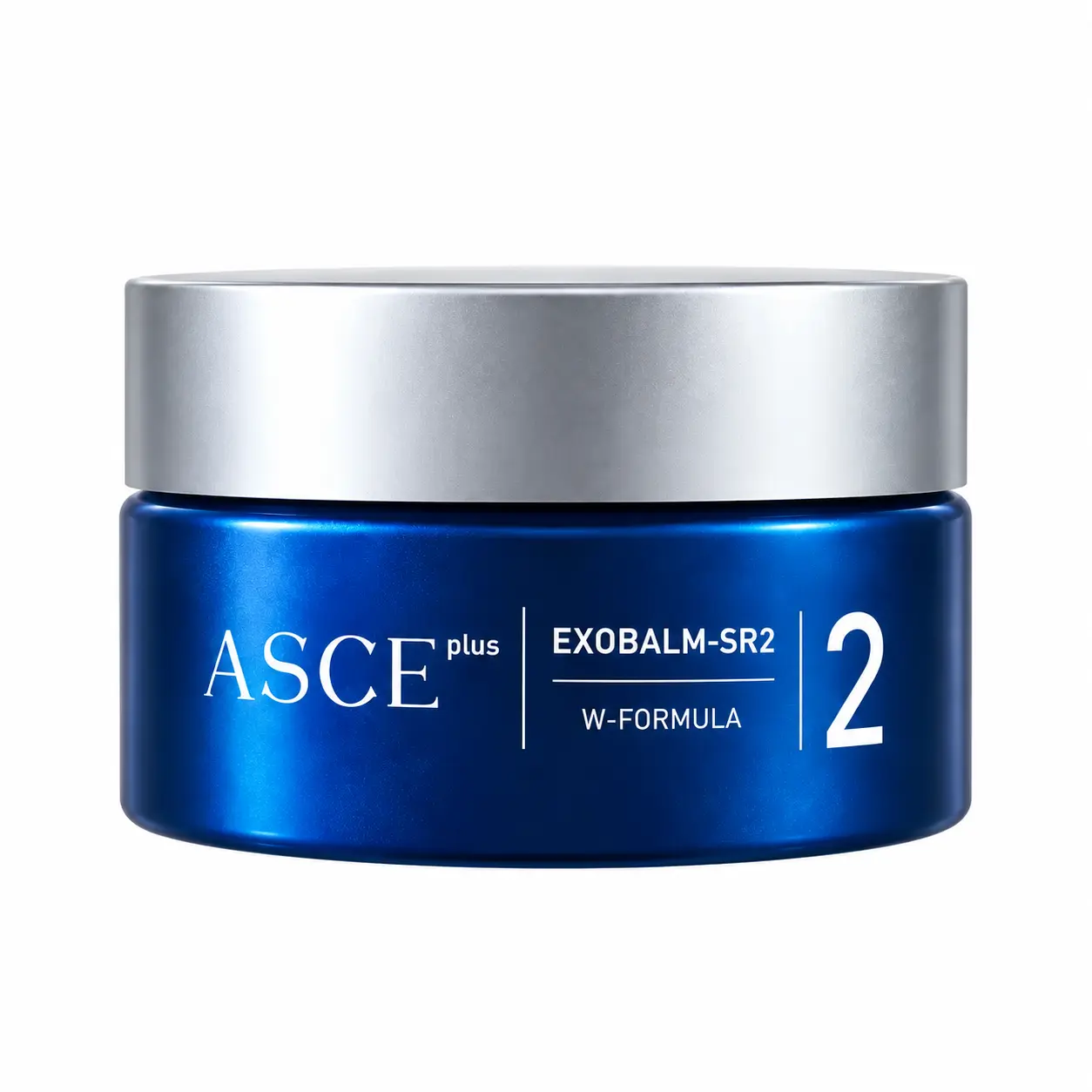
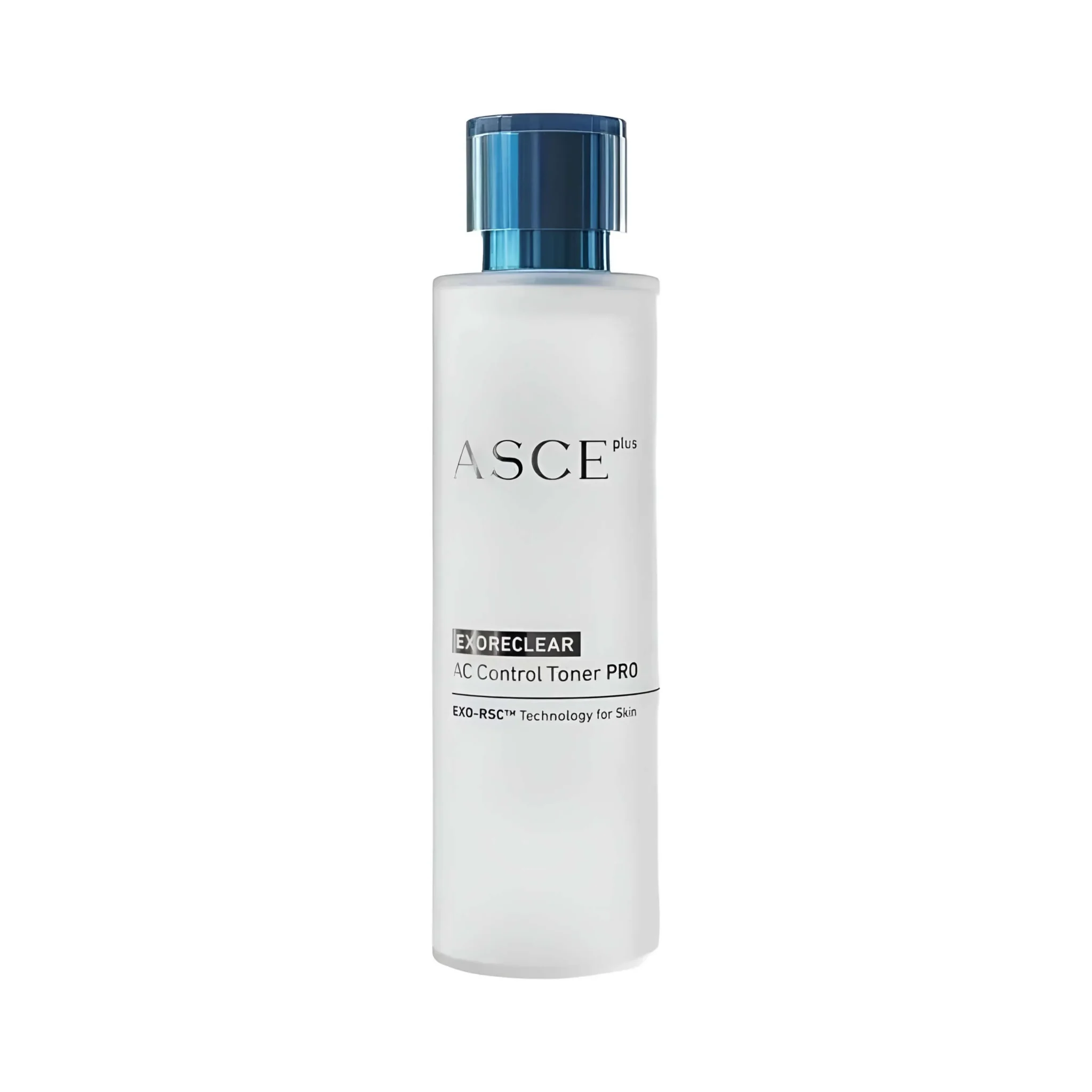
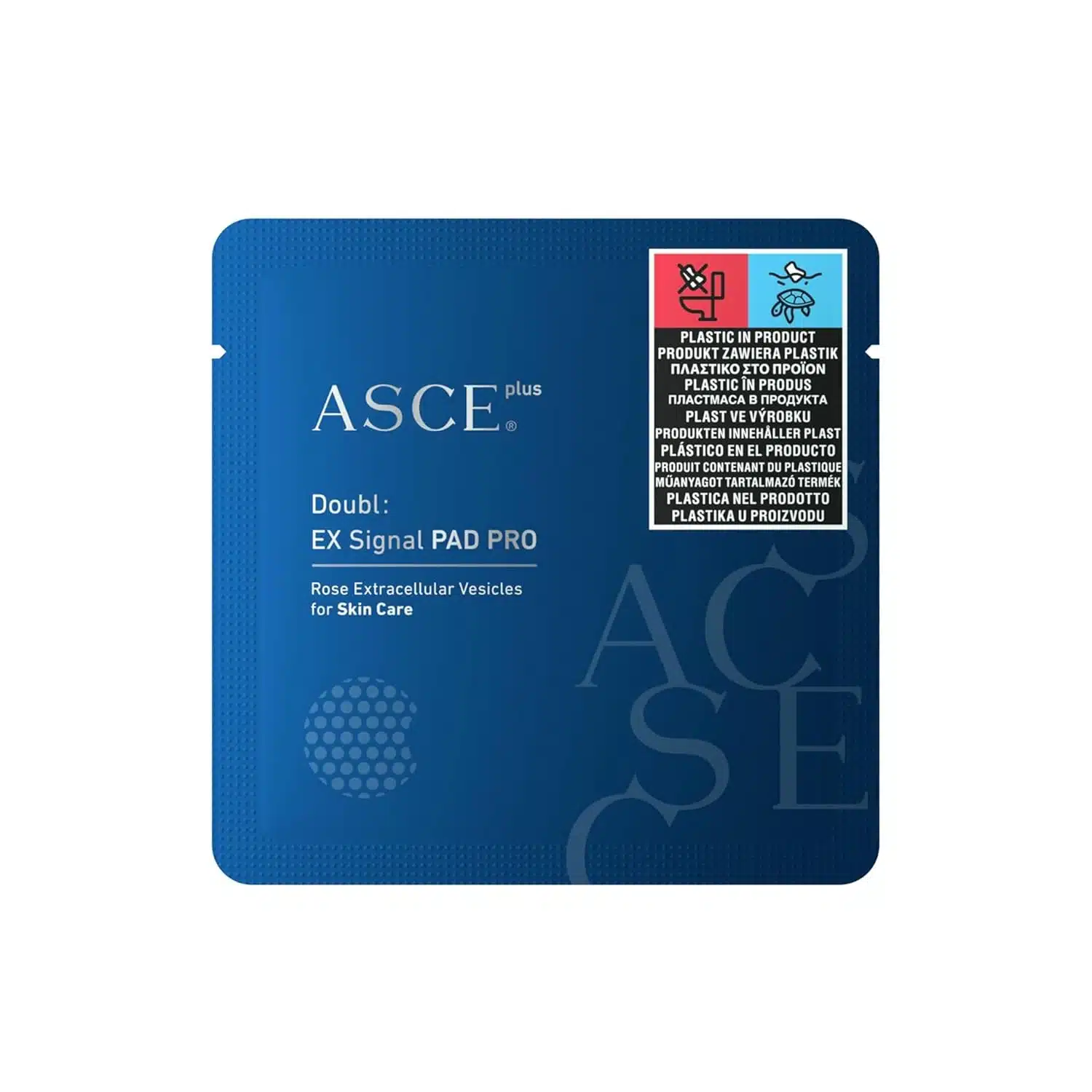
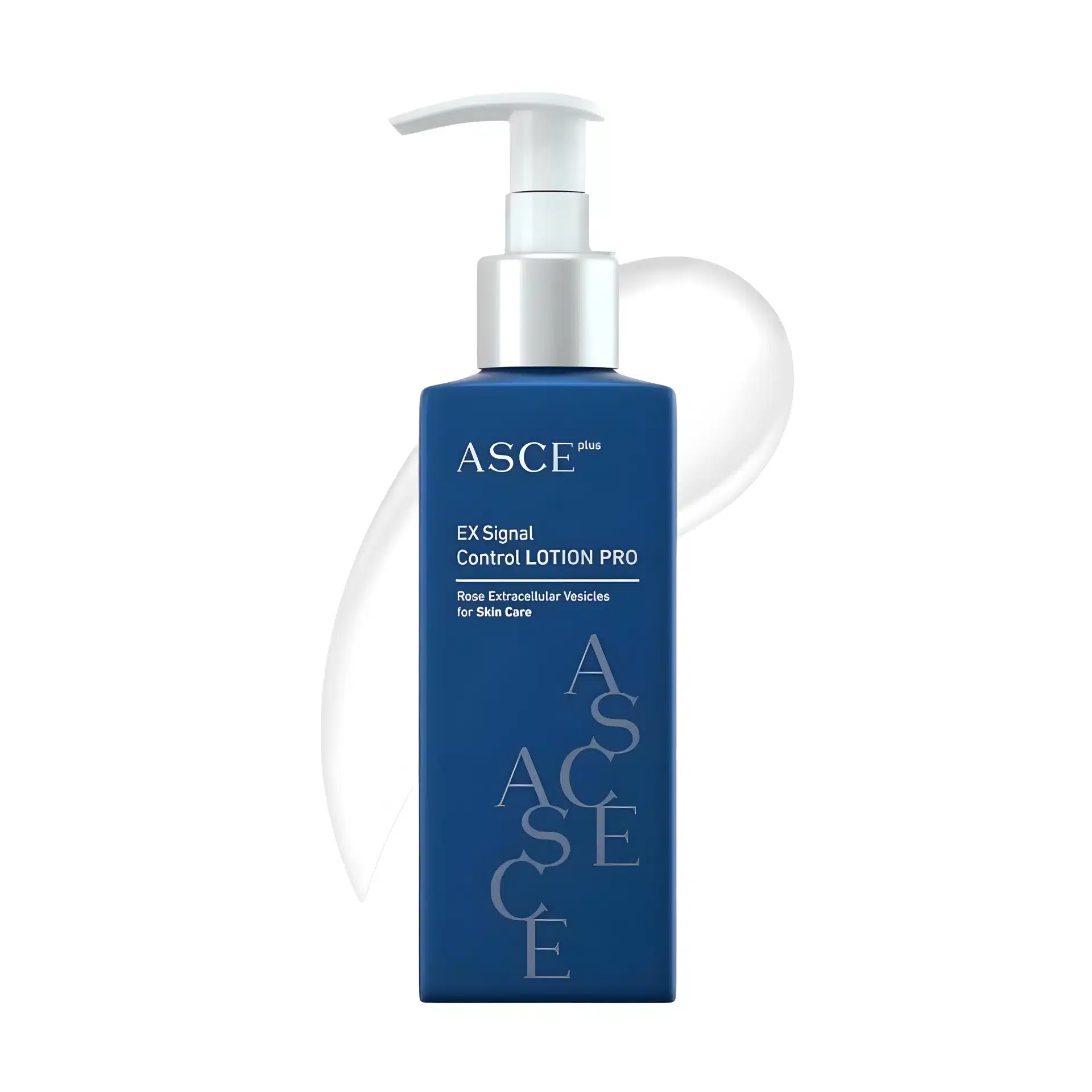
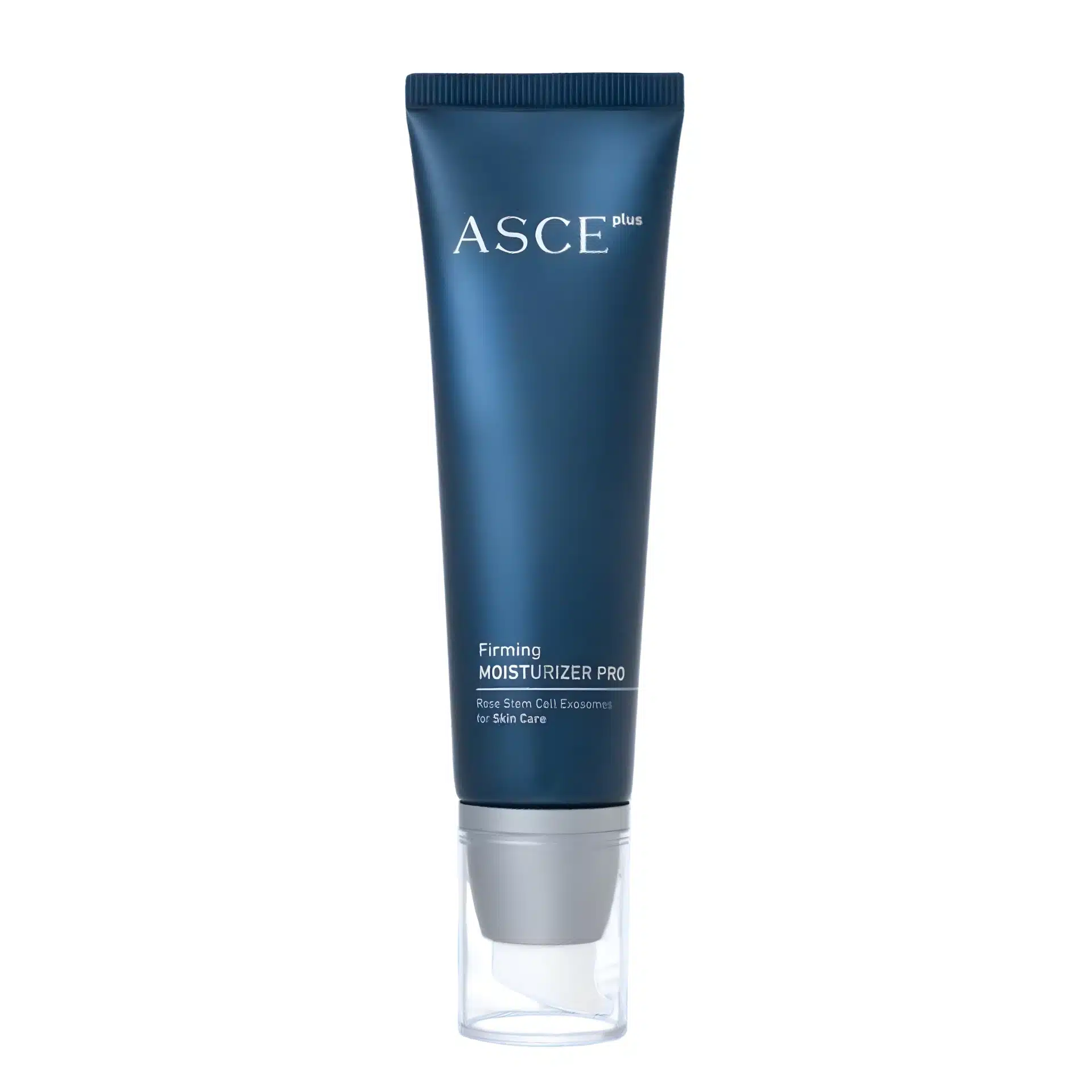
Discover ASCE Plus Exosome Skincare
Explore the ASCE Plus range and discover skincare formulations built around advanced exosome and extracellular-vesicle technology.






-
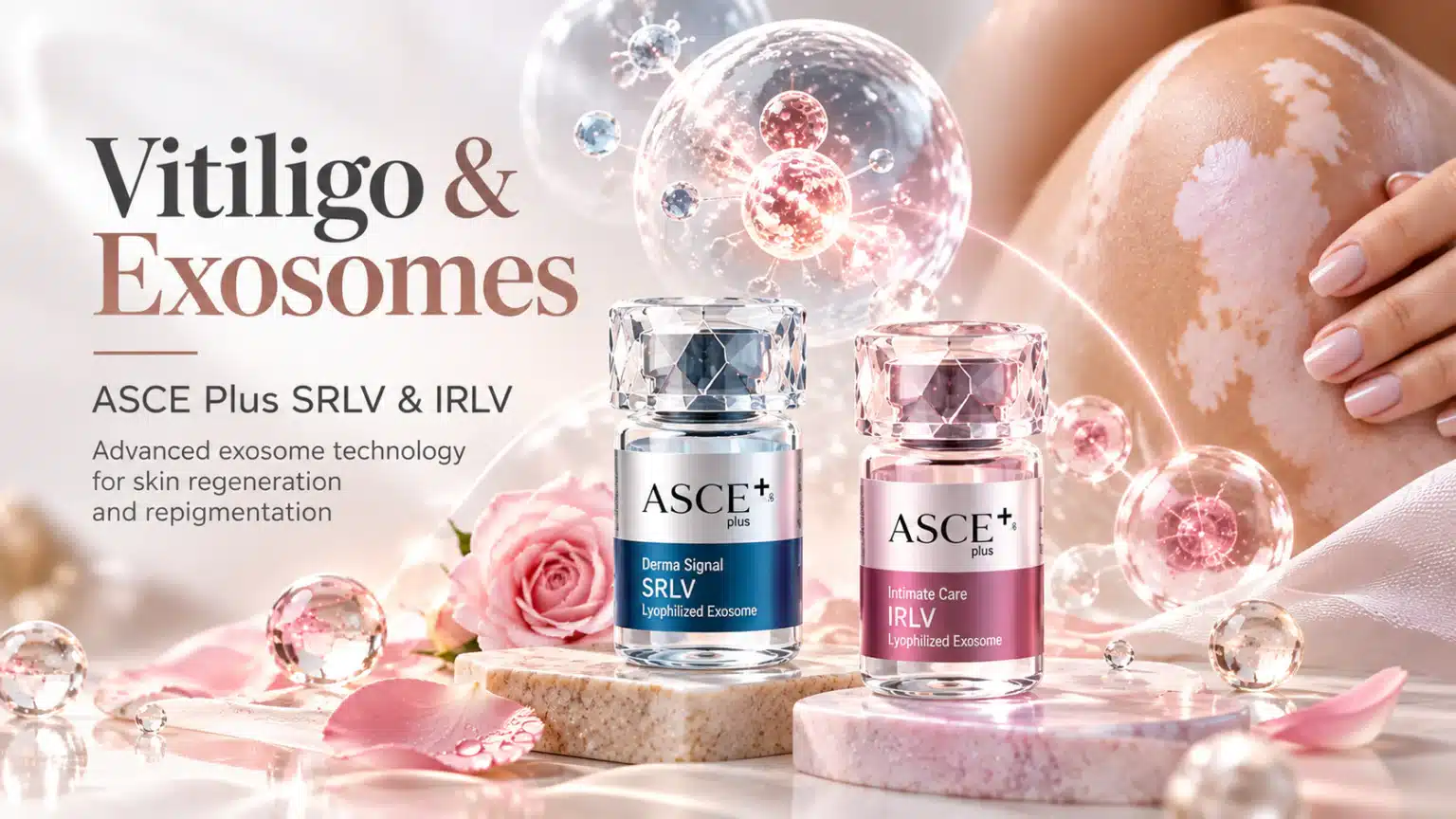
Vitiligo and Exosomes: What Does ASCE Plus SRLV Have to Do With Skin Repigmentation?
Discover the connection between vitiligo and exosomes, including melanocyte research, Rosa damascena extracellular vesicles and ASCE Plus SRLV clinical cases.
-
Exosomes vs. Plant Extracts in Skincare: What’s the Difference?
Exosomes and plant extracts are not the same. Discover how plant-derived extracellular vesicles differ from botanical extracts and explore the technology behind ASCE Plus skincare.
-

EXOPORIN™-I: How to Enhance Skincare Absorption at Home
Discover how the EXOPORIN™-I home skincare device is designed to help active skincare ingredients work more effectively on the skin. Skincare is not only about what ingredients you apply to your skin, but also about how effectively those ingredients can interact with the skin’s surface. Even advanced skincare formulas containing exosomes, peptides, niacinamide, antioxidants and…
