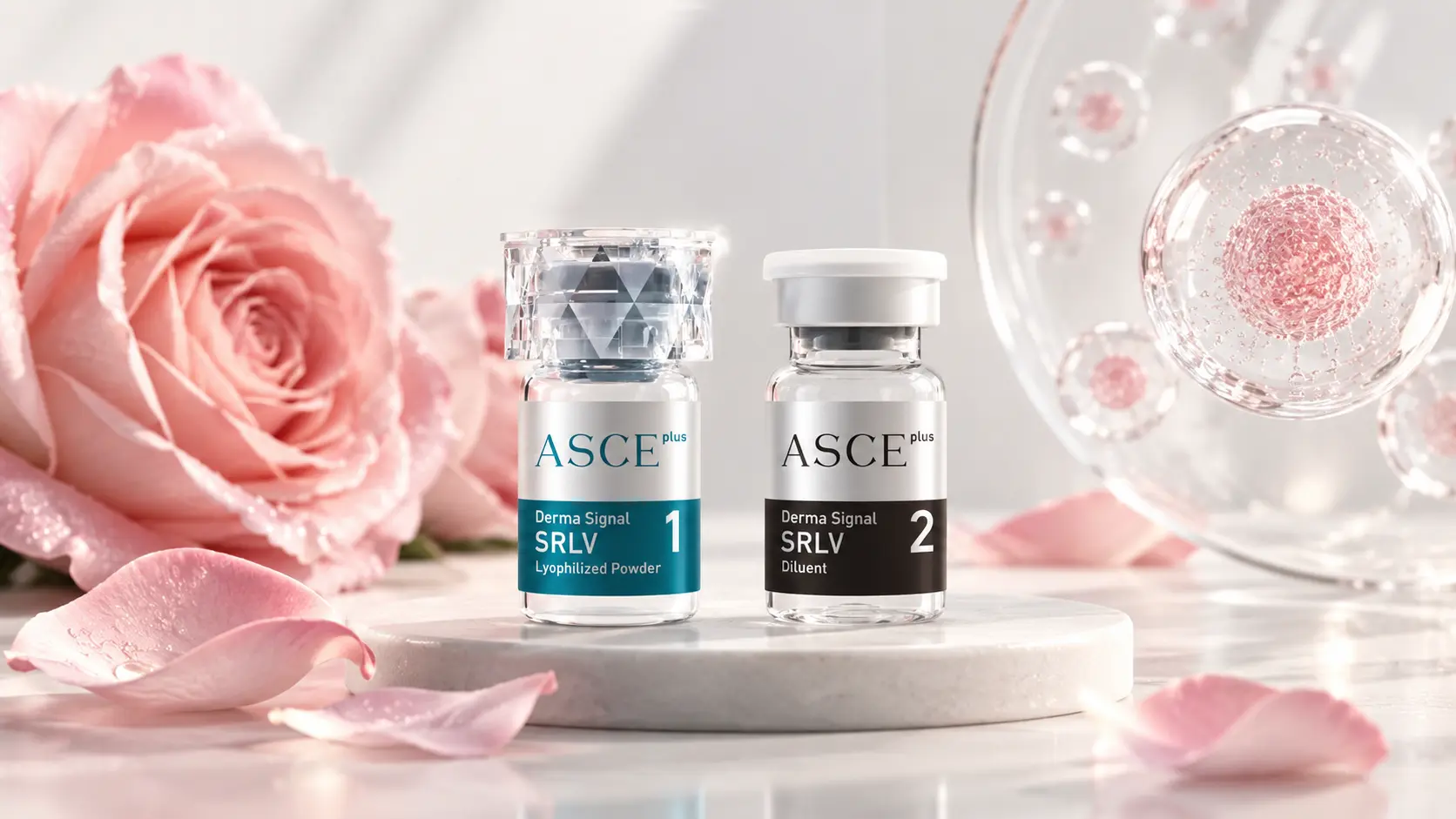
Skincare has evolved far beyond traditional creams and botanical ingredients. Today, cosmetic formulations can combine well-established skincare ingredients with newer biotechnology-inspired approaches, including extracellular vesicles and exosome-based technologies.
One question that often causes confusion is:
Are exosomes simply another type of plant extract?
The answer is NO.
Although both plant extracts and plant-derived extracellular vesicles can originate from botanical sources, they are fundamentally different. A conventional plant extract is a mixture of compounds obtained from plant material, while extracellular vesicles are microscopic membrane-bound structures produced by cells.
Understanding this difference is particularly important when exploring modern plant-derived exosome skincare.
What Are Plant Extracts in Skincare?
Plant extracts are among the most established categories of cosmetic ingredients.
An extract is produced by processing plant material such as flowers, leaves, roots, seeds or fruits to obtain selected naturally occurring compounds.
Depending on the plant and extraction method, these compounds can include:
Different botanical extracts can therefore have very different properties.
For example, certain plant ingredients are commonly investigated for antioxidant, soothing, moisturizing or skin-conditioning properties.
However, the term “plant extract” is very broad. Two extracts from different plants — or even extracts produced using different extraction methods — can have very different compositions and characteristics.
This is why the specific botanical source, extraction process and final formulation all matter.
What Are Exosomes?
Exosomes are a type of small extracellular vesicle.
Extracellular vesicles are microscopic, membrane-bound structures that can carry biological molecules such as proteins, lipids and nucleic-acid-related components.
They are naturally produced by cells and are involved in communication between cells. Because of this biological role, extracellular vesicles have attracted increasing interest in dermatology, regenerative science and cosmetic research.
Research into plant-derived extracellular vesicles is also developing rapidly. Recent research has specifically characterized exosome-like vesicles derived from Rosa damascena callus culture and investigated their biological activity in skin-related cellular models.
It is important, however, to distinguish scientific research from finished cosmetic-product claims. Much of the research into plant-derived extracellular vesicles remains preclinical, and the characteristics of vesicle-based ingredients can vary depending on their source, production and characterization.
Plant Extract vs. Exosome: What’s the Difference?
Plant Extract
A plant is processed to obtain a mixture of compounds from the plant material.
Plant-Derived
Extracellular Vesicles
Plant cells are cultivated and extracellular vesicles are obtained from the cellular environment.
callus culture
vesicles
ingredient
These are therefore not the same type of ingredient. A rose extract and rose-derived extracellular vesicles may both originate from Rosa damascena, but that does not make them interchangeable.
Why Does the Difference Matter?
The difference becomes particularly interesting when looking at Rosa damascena. The damask rose is traditionally associated with botanical skincare and cosmetic formulations.
However, modern biotechnology allows researchers to study plant cells and the extracellular vesicles associated with them.
Instead of simply extracting compounds from rose petals or other plant material, researchers can work with callus cultures and investigate extracellular vesicles derived from these cultured plant cells.
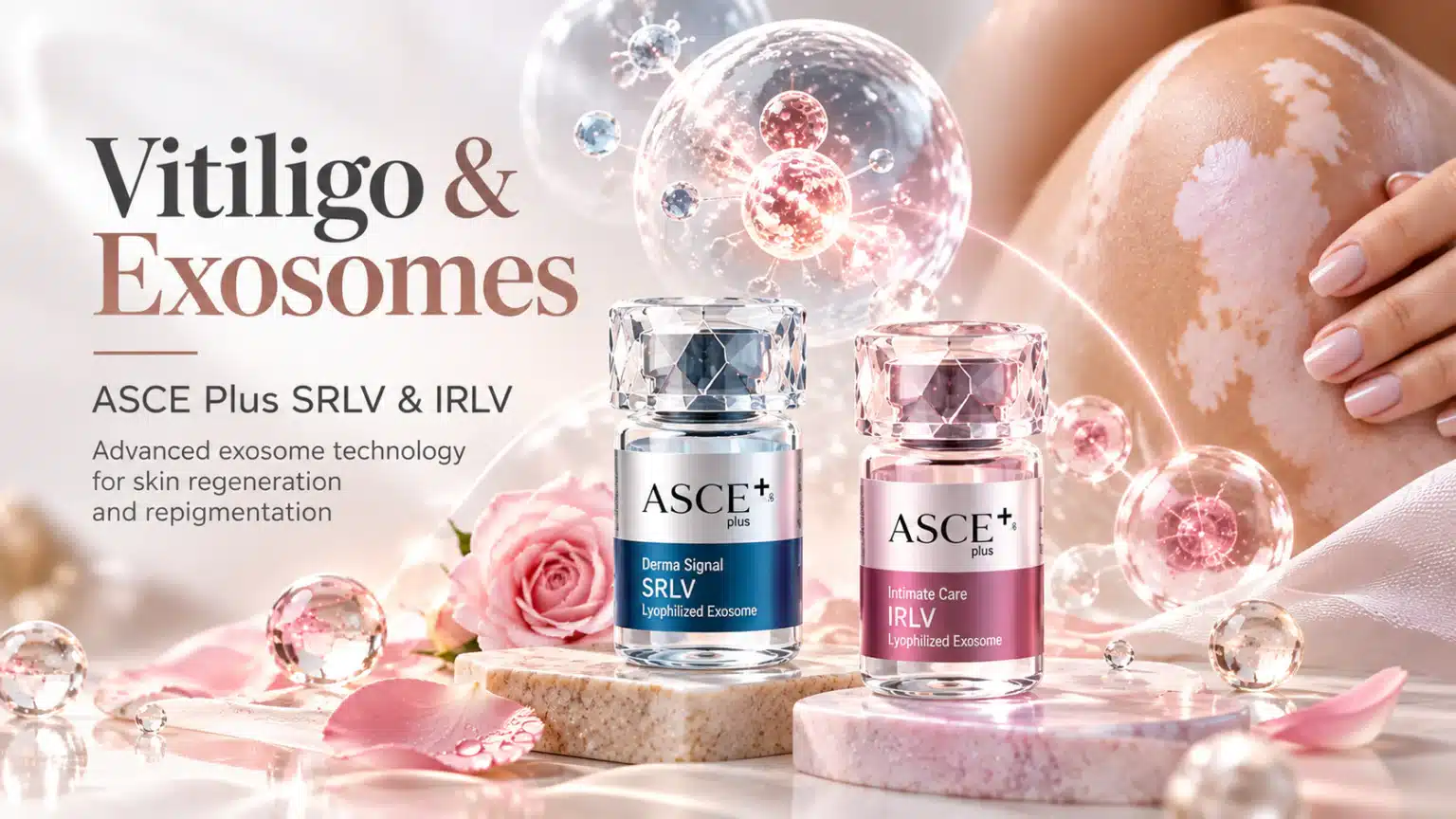
Recent research on Rosa damascena callus-derived exosome-like vesicles identified nanoscale vesicles and investigated their uptake and biological activity in skin-related cellular models. This research is also relevant to the growing interest in exosomes and pigmentation, including research related to vitiligo. Read more in our article Vitiligo and Exosomes. The study reported effects in laboratory models involving collagen synthesis, melanogenesis and inflammatory signalling, while emphasizing their potential for future cosmeceutical and dermatological applications.
This is a fundamentally different concept from simply using a rose plant extract.
What Is a Rosa Damascena Callus?
The term callus can sound unfamiliar in skincare.
In plant biotechnology, a callus is a mass of undifferentiated plant cells that can be maintained under controlled culture conditions.
This allows researchers to work with plant cells in a controlled environment rather than relying exclusively on harvesting mature plant material.
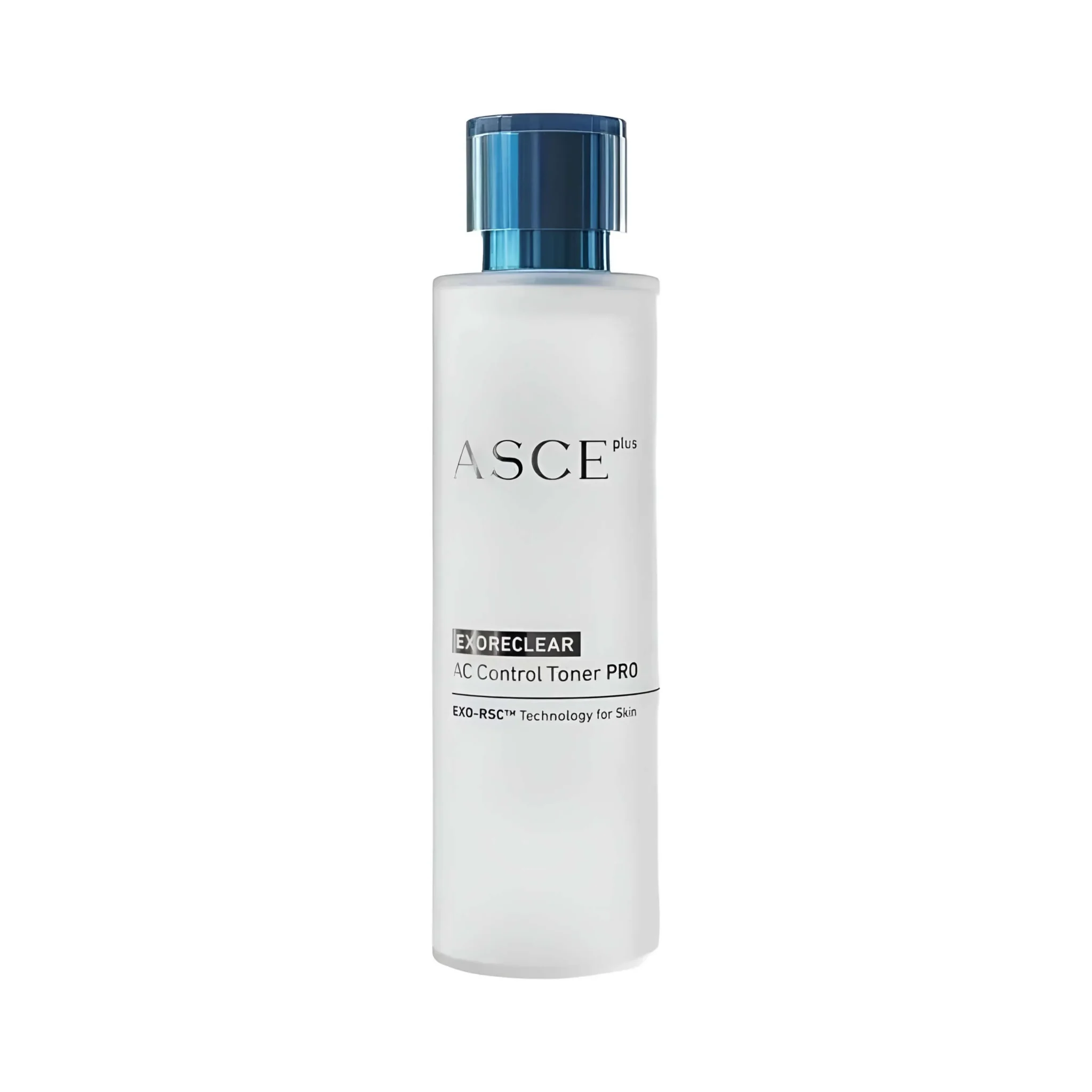
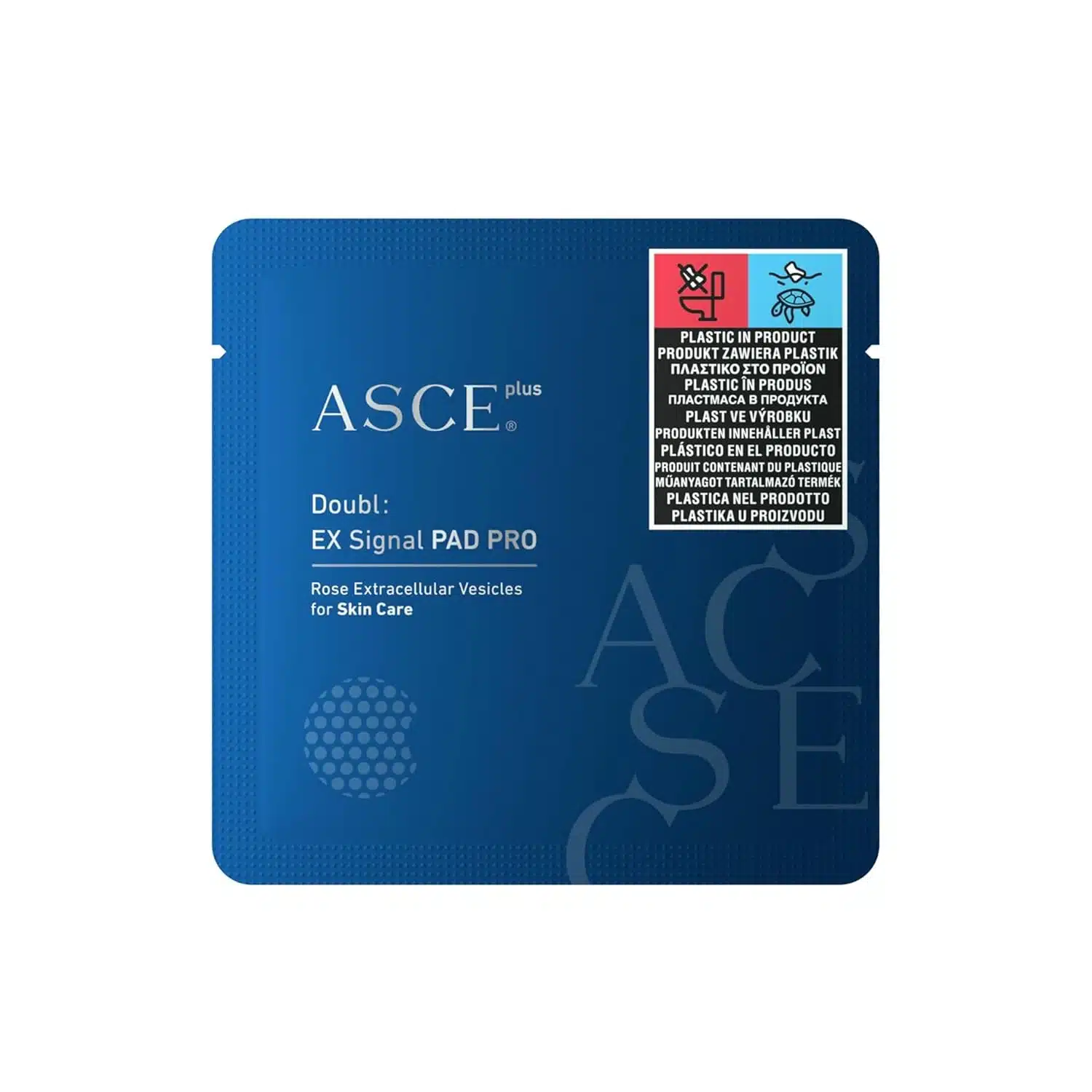
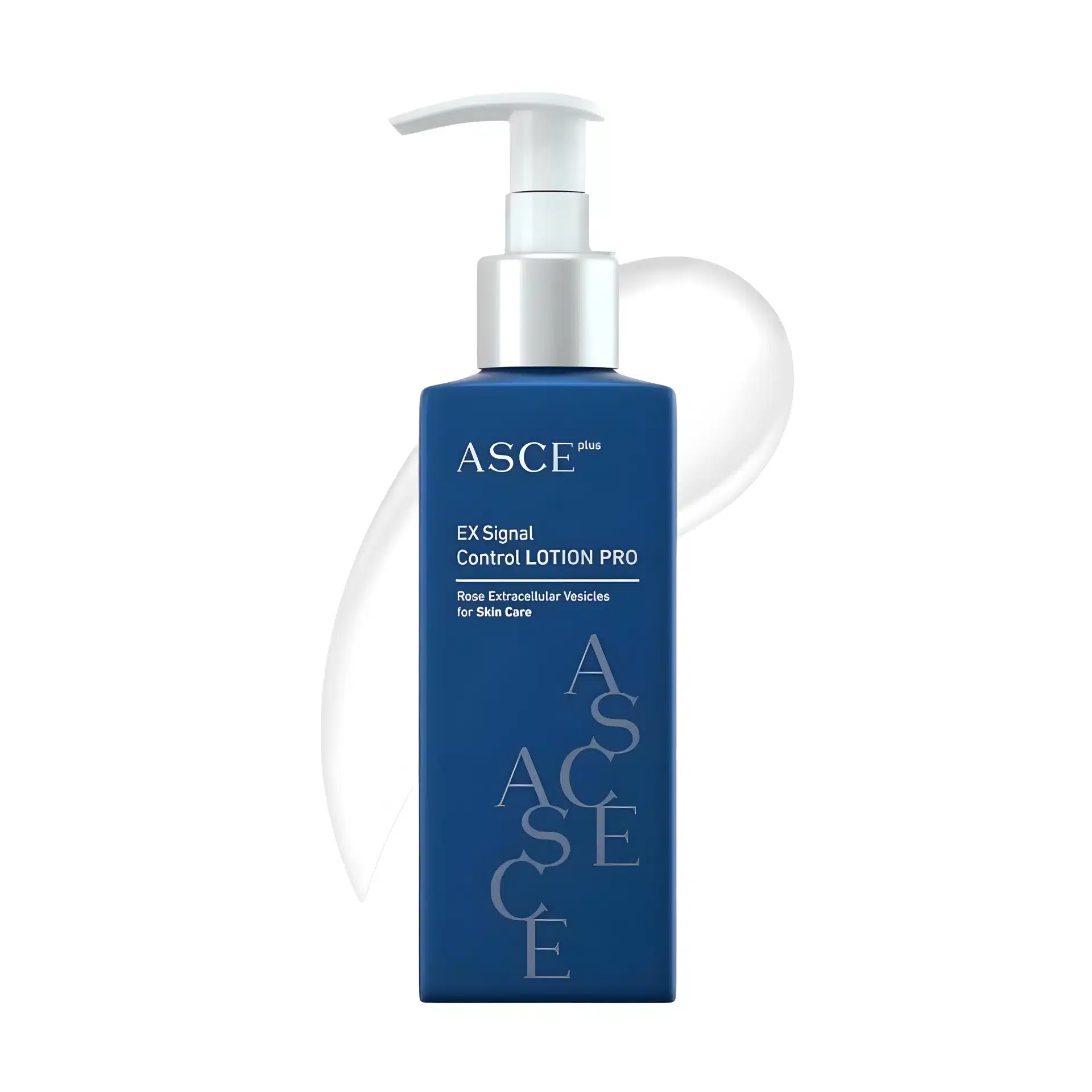
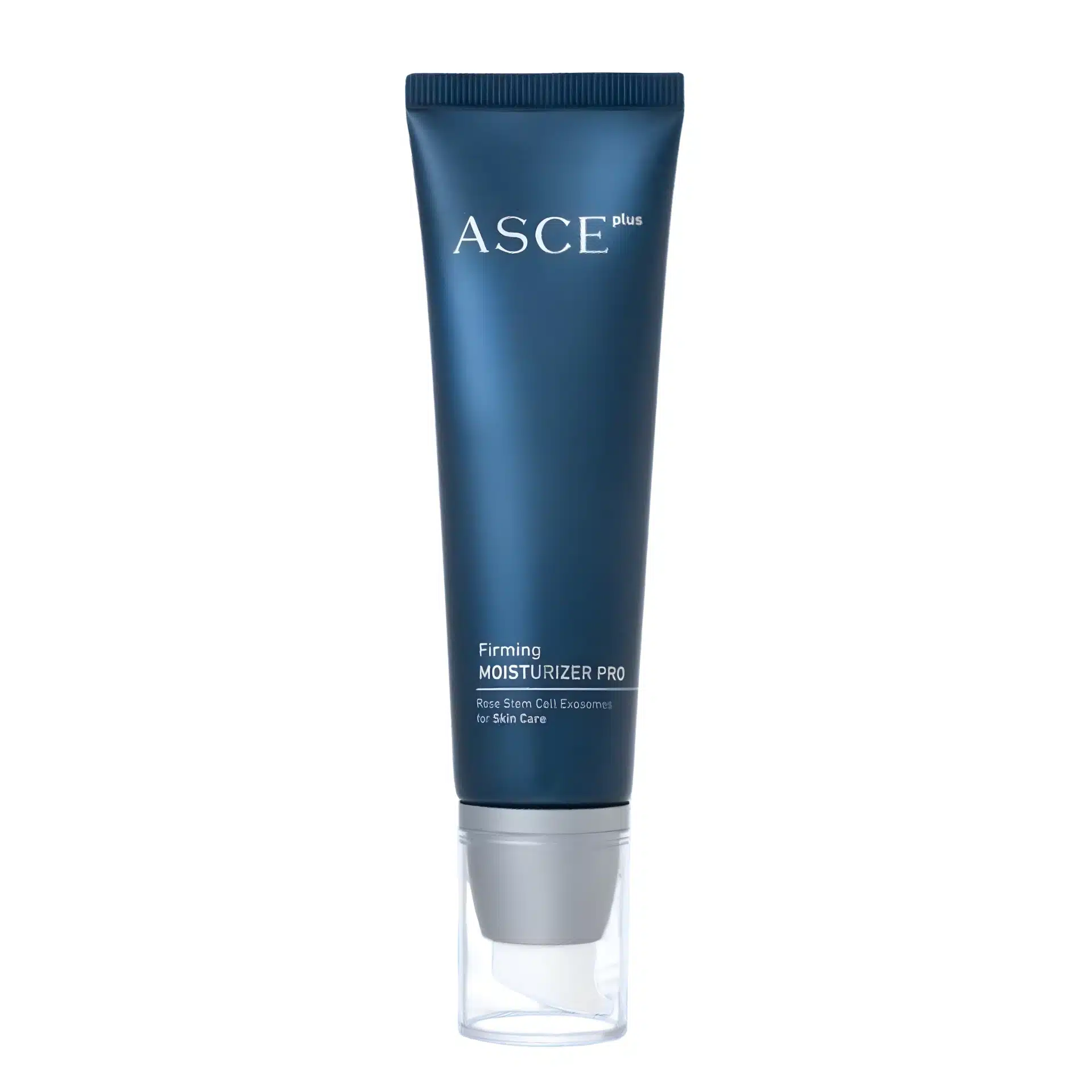
In ASCE Plus technology, Rosa damascena is associated with the development of the rose-derived extracellular-vesicle technology used in its professional exosome-based formulations.
The ASCE Plus material describes Rosa damascena Callus Extracellular Vesicles as the cosmetic ingredient terminology associated with its “Rose Stem Cell Exosomes” technology.
This distinction is important:
ASCE Plus rose-derived exosome technology should not simply be described as a conventional rose extract.
Exosomes and Plant Extracts Can Have Completely Different Roles
Another important point is that plant extracts and extracellular vesicles do not necessarily compete with one another.
A modern skincare formulation can contain many different types of ingredients. For example, a formulation may combine:
Each ingredient can have a different role within the overall formulation.
Therefore, asking whether “exosomes or plant extracts are better” is often too simplistic.
A more useful question is:
What is the ingredient, how is it produced, what is its intended role, and what evidence supports its use?
What Makes ASCE Plus Exosome Technology Different?
ASCE Plus takes the concept of plant-derived exosome technology further into different professional applications.
The ASCE Plus professional system includes three specialized product lines:
High Purity
ASCE Plus uses proprietary ExoSCRT™ technology designed to support high-purity exosome production.
High Exosome Concentration
Different professional lines are formulated around different exosome concentrations and applications.
Research & Applications
ASCE Plus reports an extensive research and professional application background across multiple areas of care.
High Purity
ASCE Plus uses proprietary ExoSCRT™ technology designed to support high-purity exosome production.
High Exosome Concentration
Different professional lines are formulated around different exosome concentrations and applications.
Research & Applications
ASCE Plus reports an extensive research and professional application background across multiple areas of care.
SRLV — Skin
Professional exosome technology for advanced skin care.
→ Learn more about ASCE Plus SRLV
HRLV — Hair & Scalp
Professional exosome technology developed for hair and scalp care.
→ Learn more about ASCE Plus HRLV
IRLV — Intimate Care
Professional exosome technology for intimate skin care.
→ Learn more about ASCE Plus IRLV
What Is ExoSCRT®?
ASCE Plus professional materials also describe ExoSCRT® as part of its exosome technology and quality-control approach.
The technology is associated with the production and characterization of extracellular-vesicle-based ingredients used across the professional ASCE Plus lines.
This is another reason why it is useful to distinguish ASCE Plus exosome technology from a conventional botanical extract.
A plant extract generally focuses on obtaining soluble compounds from plant material.
An extracellular-vesicle-based approach focuses on obtaining and characterizing microscopic vesicles produced by cells.
These are fundamentally different technological approaches.

Is a Rose Exosome the Same as Rose Extract?
NO.
This is perhaps the most important distinction to remember.
A conventional rose extract can contain a mixture of compounds obtained from rose plant material.
A rose-derived extracellular-vesicle ingredient is based on vesicles associated with cultured plant cells.
Both may have Rosa damascena as part of their origin, but they are not the same ingredient.
For this reason, describing an ASCE Plus exosome formulation simply as a "rose extract skincare product" would not accurately represent the technology.
The more precise description is:
Rosa damascena callus-derived extracellular vesicle technology
or, where appropriate to the source terminology:
Rosa damascena stem-cell-derived exosome technology
What Does the Research Say About Rosa Damascena-Derived Vesicles?
Research in this field is still developing, but recent studies are providing interesting insights.
A 2026 study characterized exosome-like vesicles derived from Rosa damascena callus culture and evaluated them in skin-related cellular models. The researchers reported nanoscale vesicles, cellular uptake and several biological activities in laboratory models, including effects related to collagen synthesis, melanogenesis and inflammatory signalling.
Importantly, these findings were obtained in cellular models, not as proof that every topical cosmetic product containing similar ingredients will produce the same results in people.
This distinction matters.
Scientific research can help explain why an ingredient or technology is interesting, while clinical studies are needed to establish specific effects in human use.
ASCE Plus & ExoCoBio: Research & Clinical Experience
Why Are Exosomes Becoming Interesting in Skincare?
Extracellular vesicles are attracting attention because of their natural role in biological communication. They can carry different types of biological molecules and interact with recipient cells.
Research into extracellular vesicles in skin is exploring areas including:
At the same time, researchers continue to study how vesicle source, production, purification, characterization and delivery affect their properties.
This makes exosome-based skincare an emerging biotechnology field, rather than simply another version of traditional botanical skincare.
Are Exosomes Better Than Plant Extracts?
There is no simple answer.
Exosomes and plant extracts are different categories of ingredients.
Plant extracts have a long history in cosmetic formulations and can provide a wide range of plant-derived compounds.
Exosome and extracellular-vesicle technologies represent a newer area of biotechnology research.
The appropriate comparison is therefore not necessarily:
"Which one is better?"
A more meaningful comparison is:
"How are they different, what is each designed to contribute, and what evidence supports the specific formulation?"
This approach also helps consumers look beyond marketing terminology.
What Should You Look For When Choosing a Skincare Product?
When comparing skincare products, consider more than just the headline ingredient.
1. Look at the complete formulation
An advanced ingredient is only one part of a finished cosmetic product.
2. Consider the source
For plant-derived ingredients, the botanical source can make a significant difference.
For extracellular vesicles, the cellular source and production process are also important.
3. Look at how the ingredient is produced
Extraction of plant compounds and production of extracellular vesicles are different processes.
4. Consider the evidence
Laboratory research can provide valuable information, but it does not automatically establish the same effects in human cosmetic use.
5. Look beyond one ingredient
The final skincare experience depends on the complete formulation, not just one ingredient listed on the packaging.
ASCE Plus and the Future of Exosome Skincare
The development of plant-derived extracellular-vesicle technology represents an interesting intersection between botanical science and modern biotechnology.
ASCE+ builds its professional range around this concept, with specialized formulations for:
SRLV — Skin
HRLV — Hair & Scalp
IRLV — Intimate Care
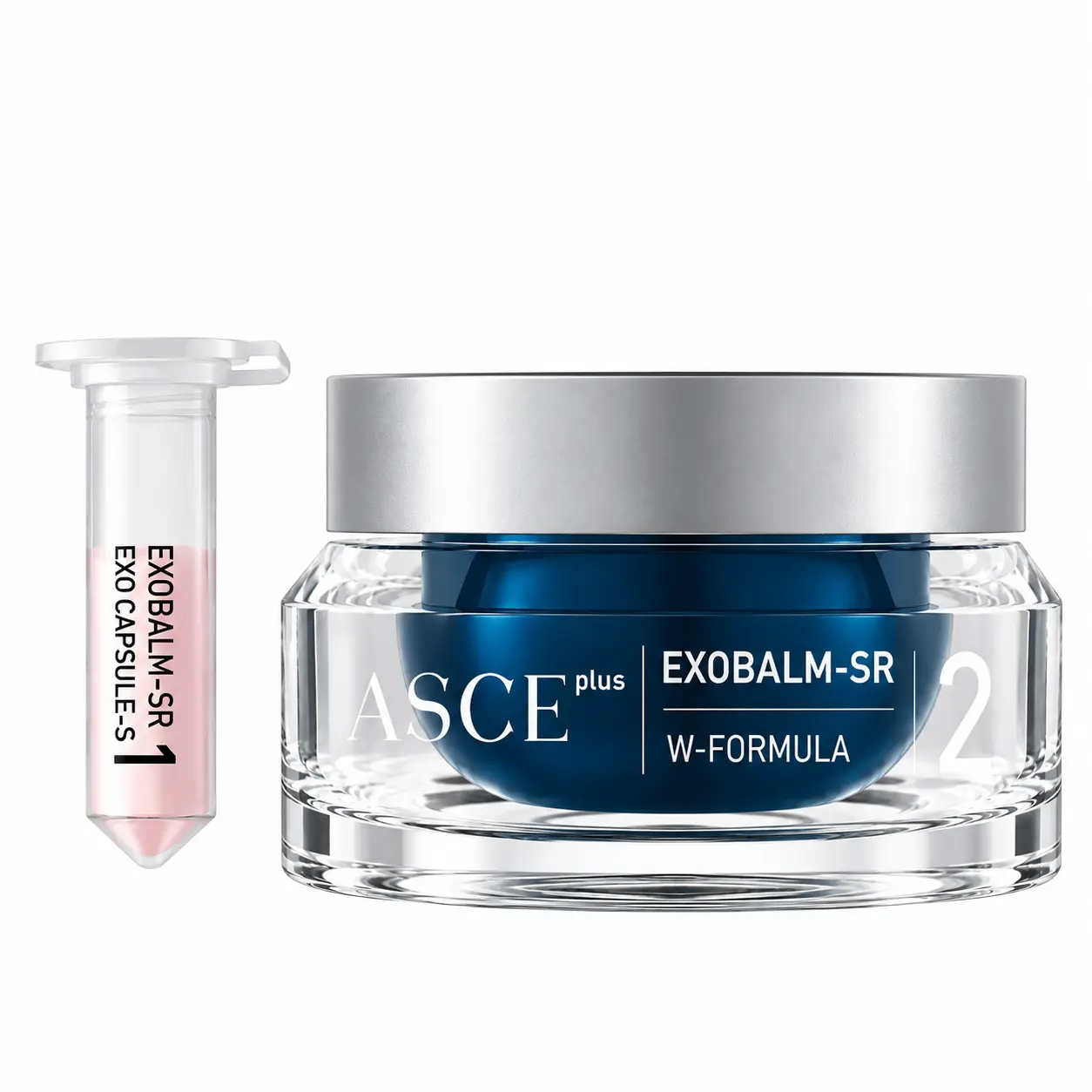
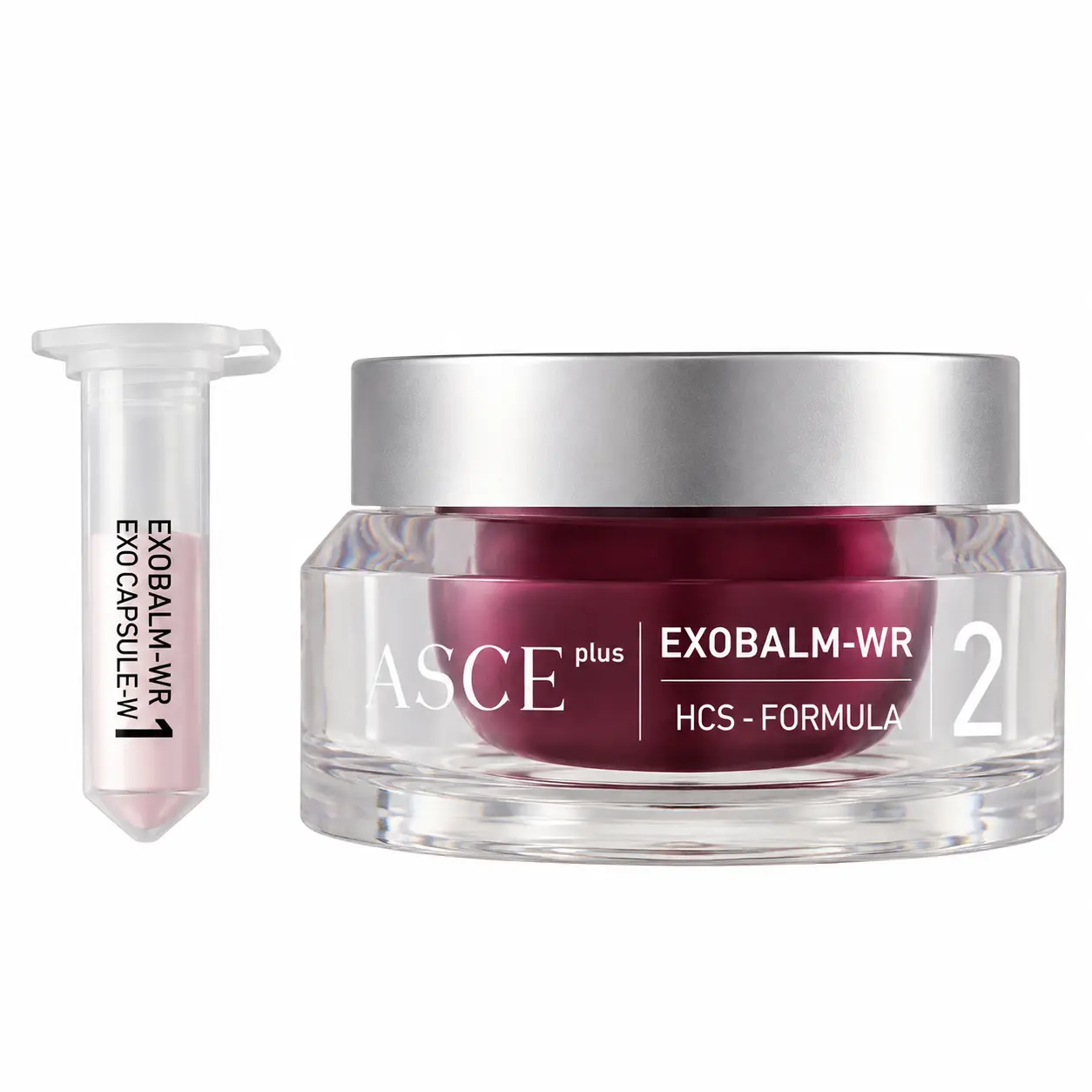
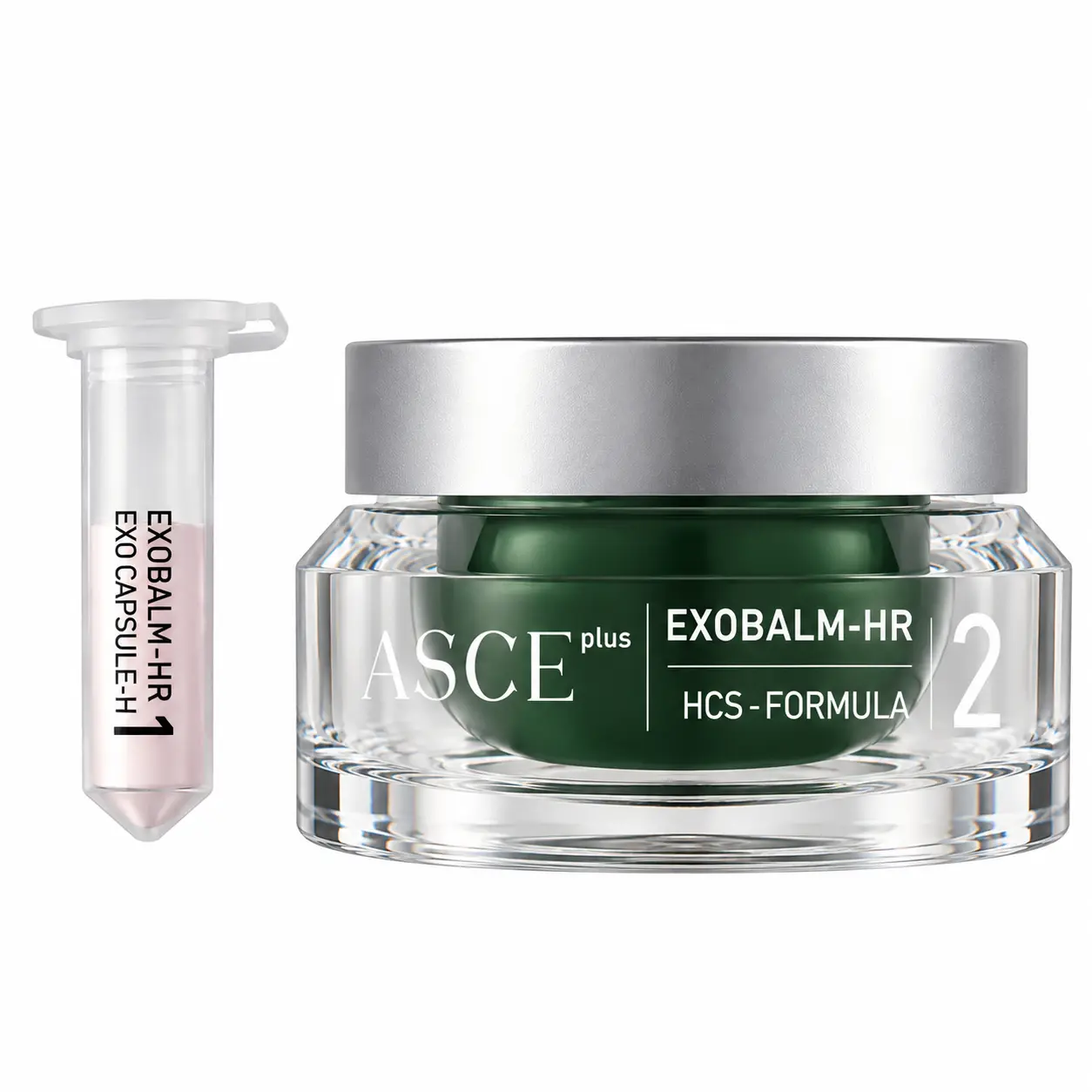
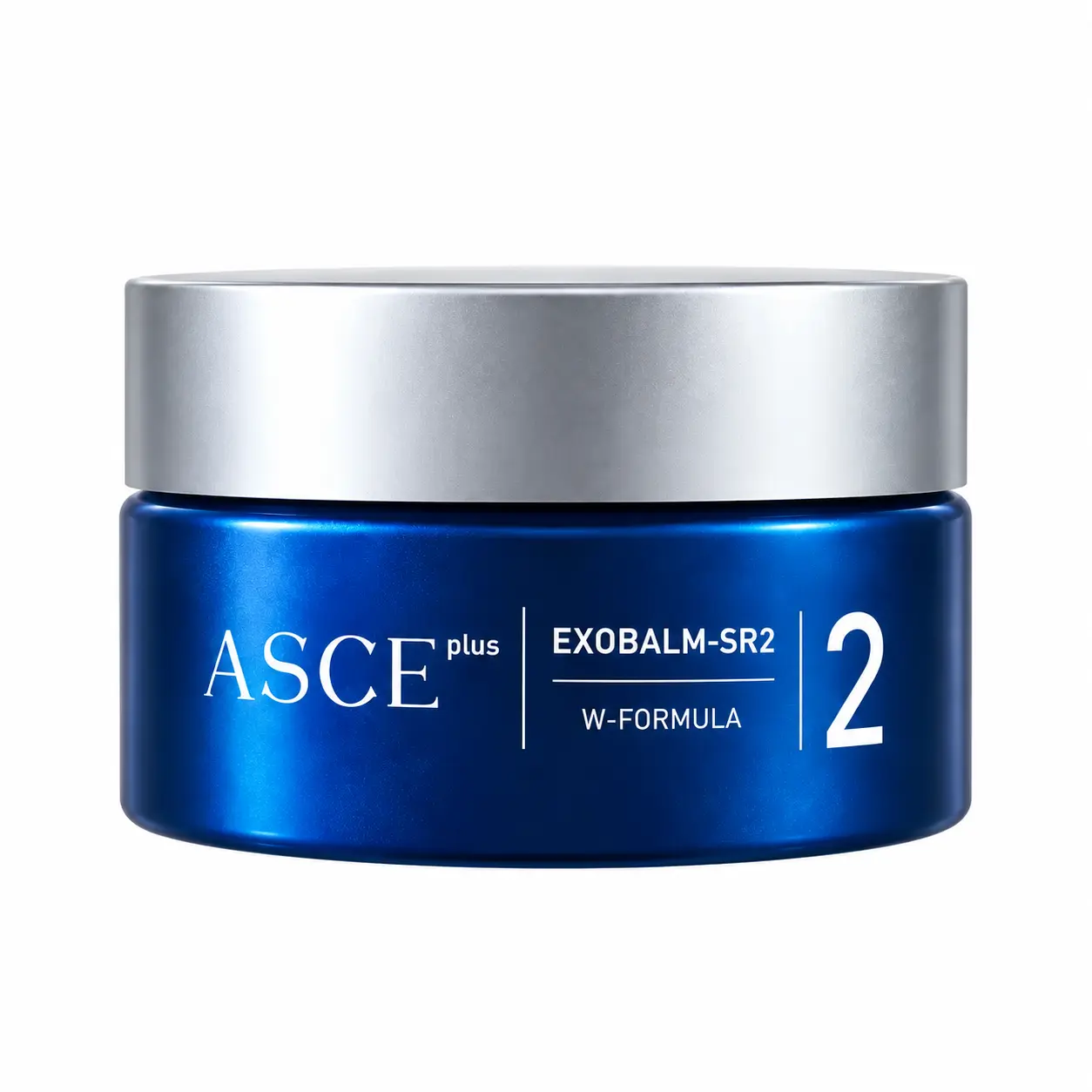
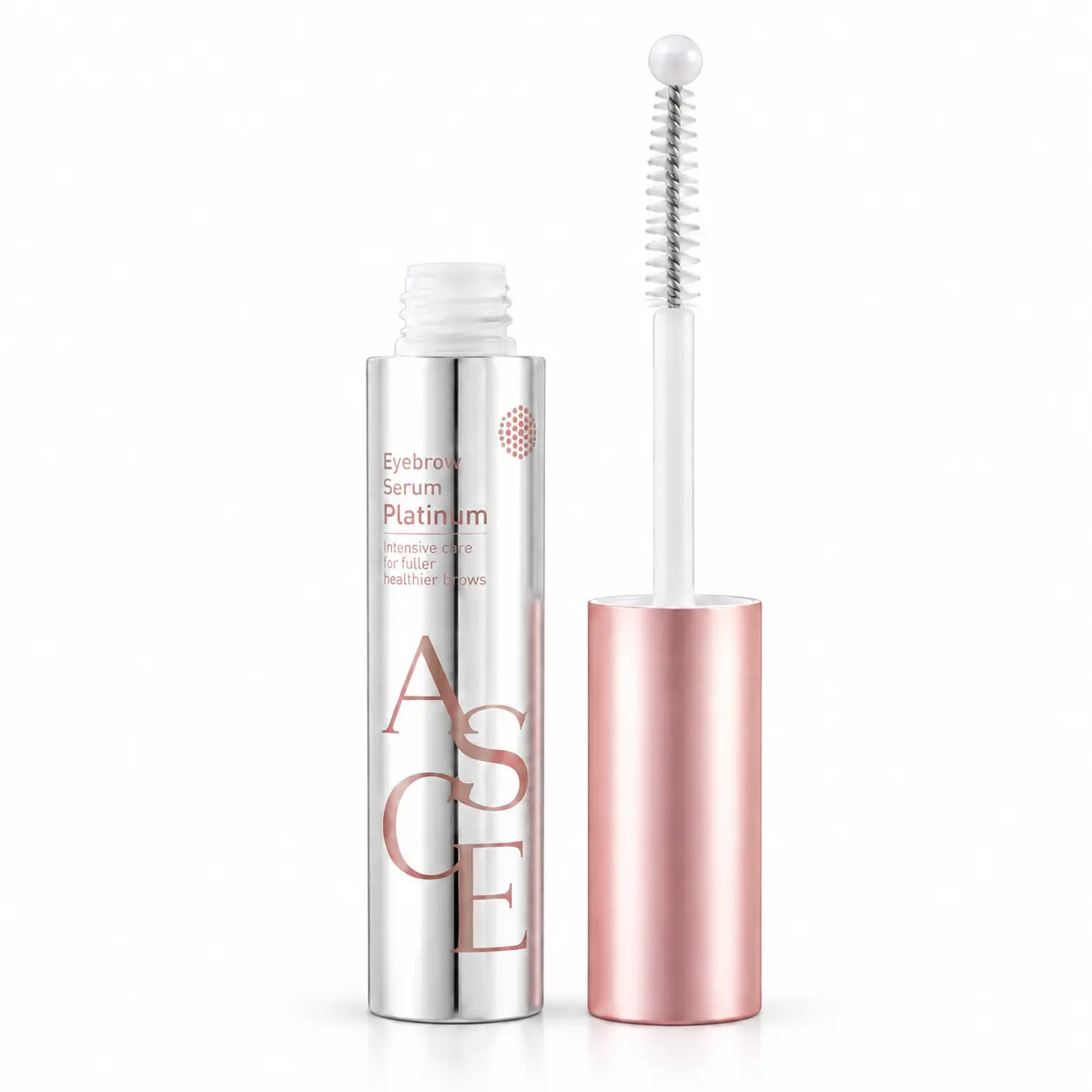
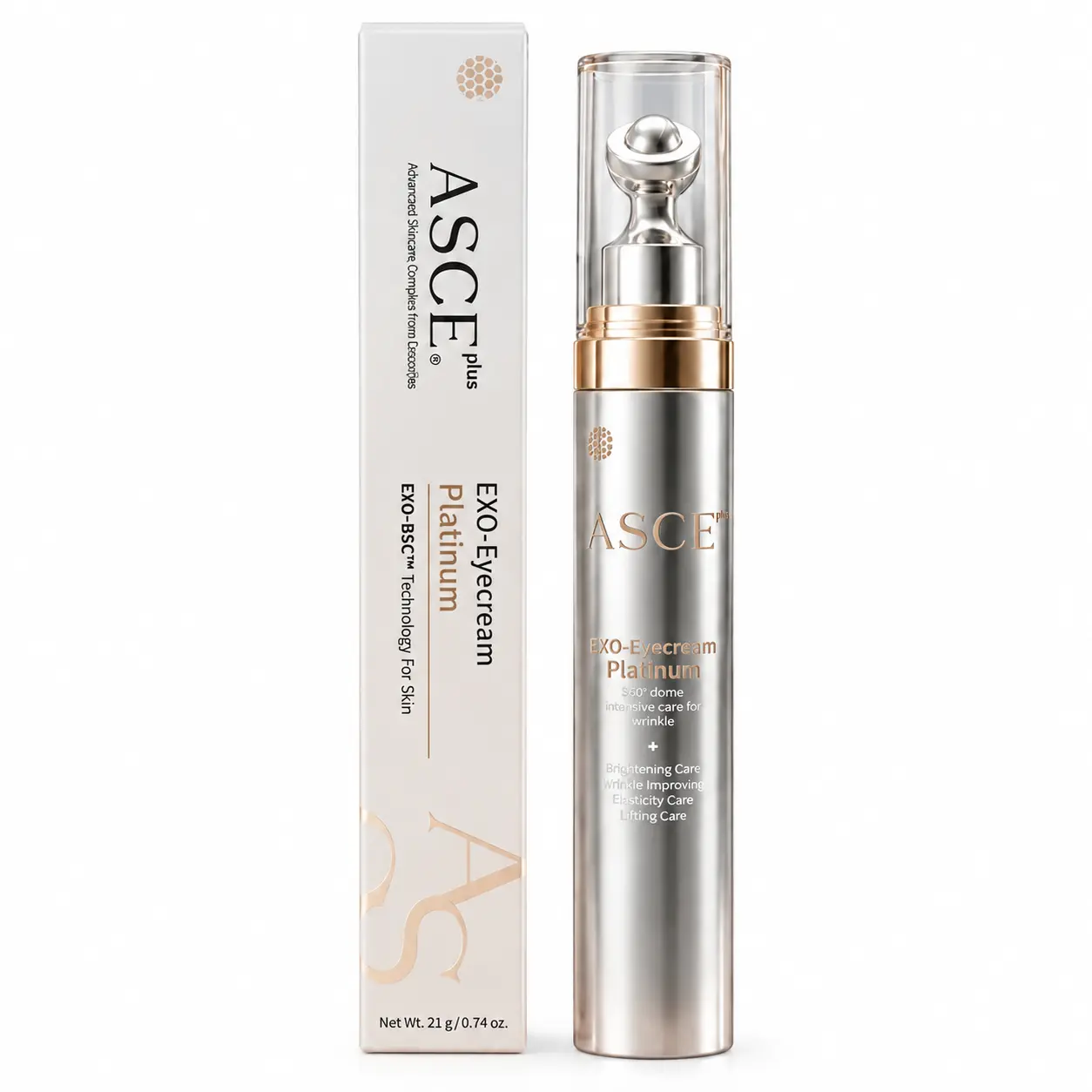
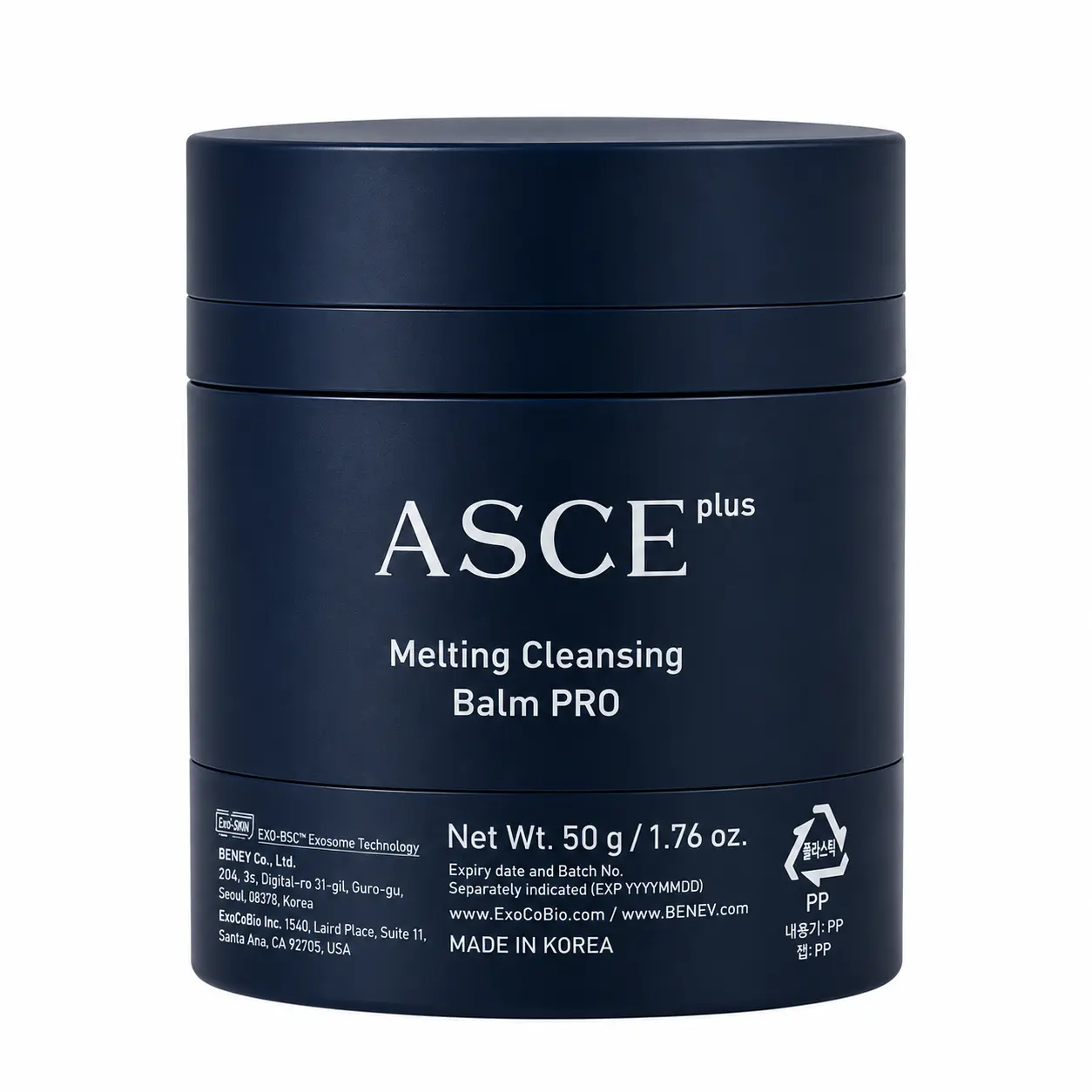
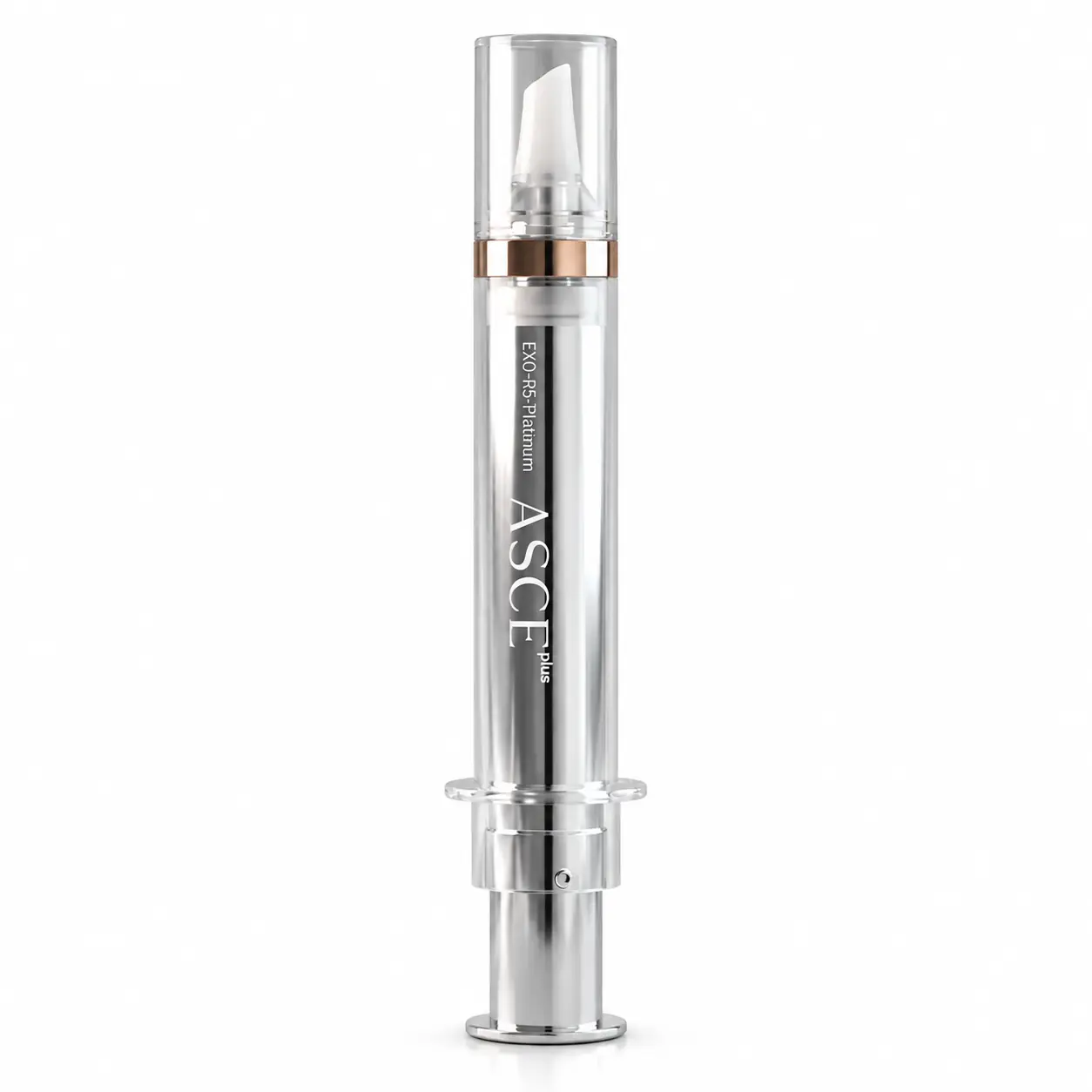
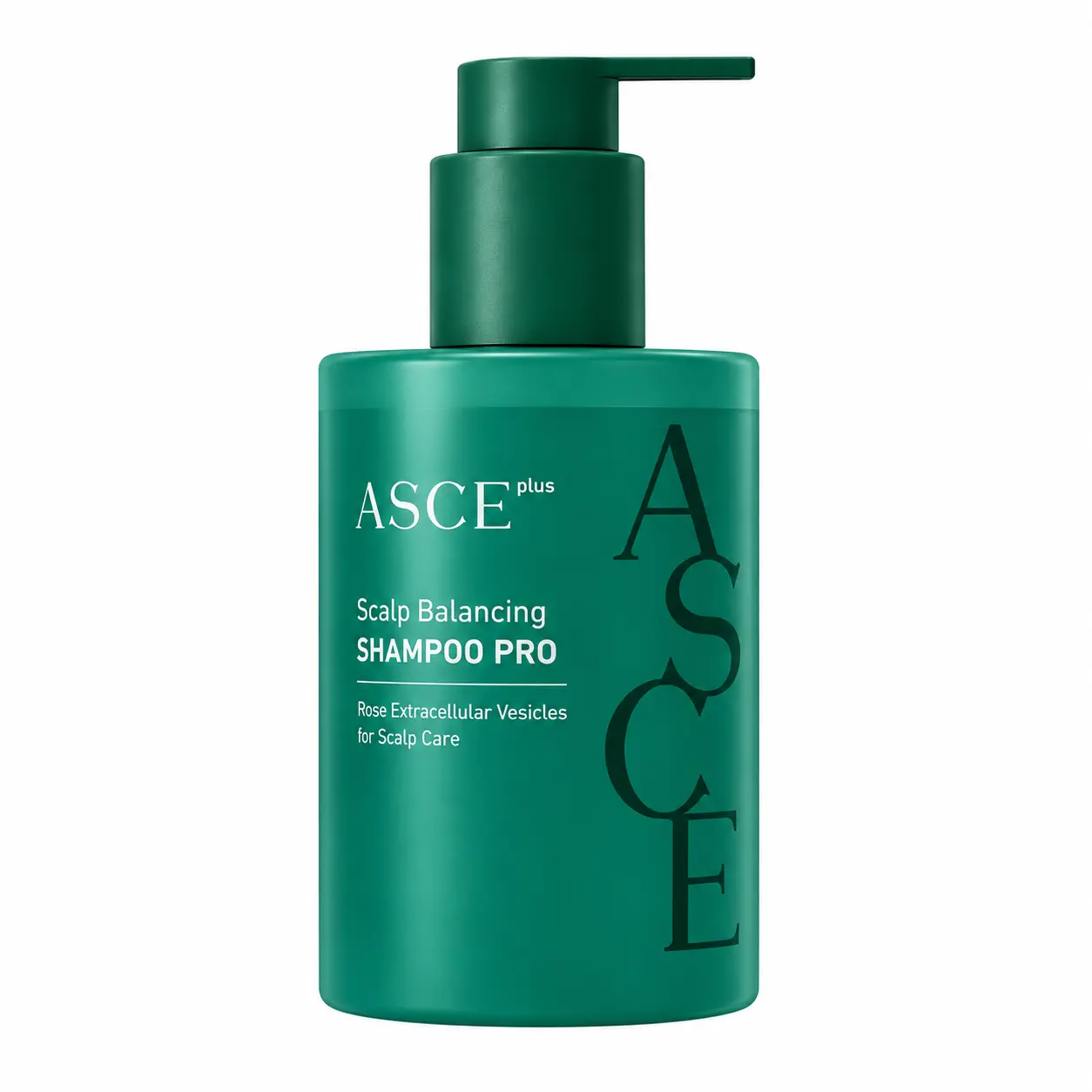
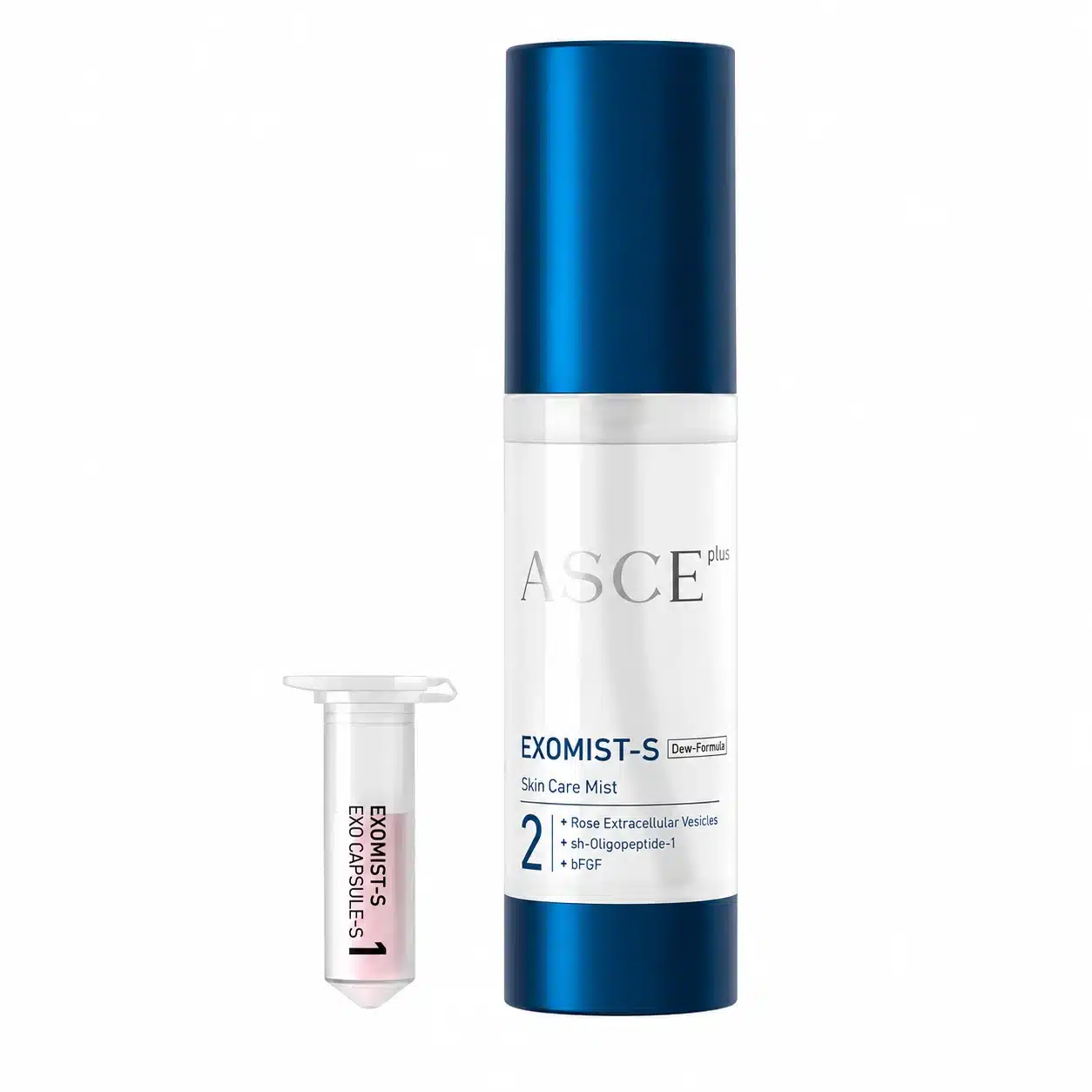
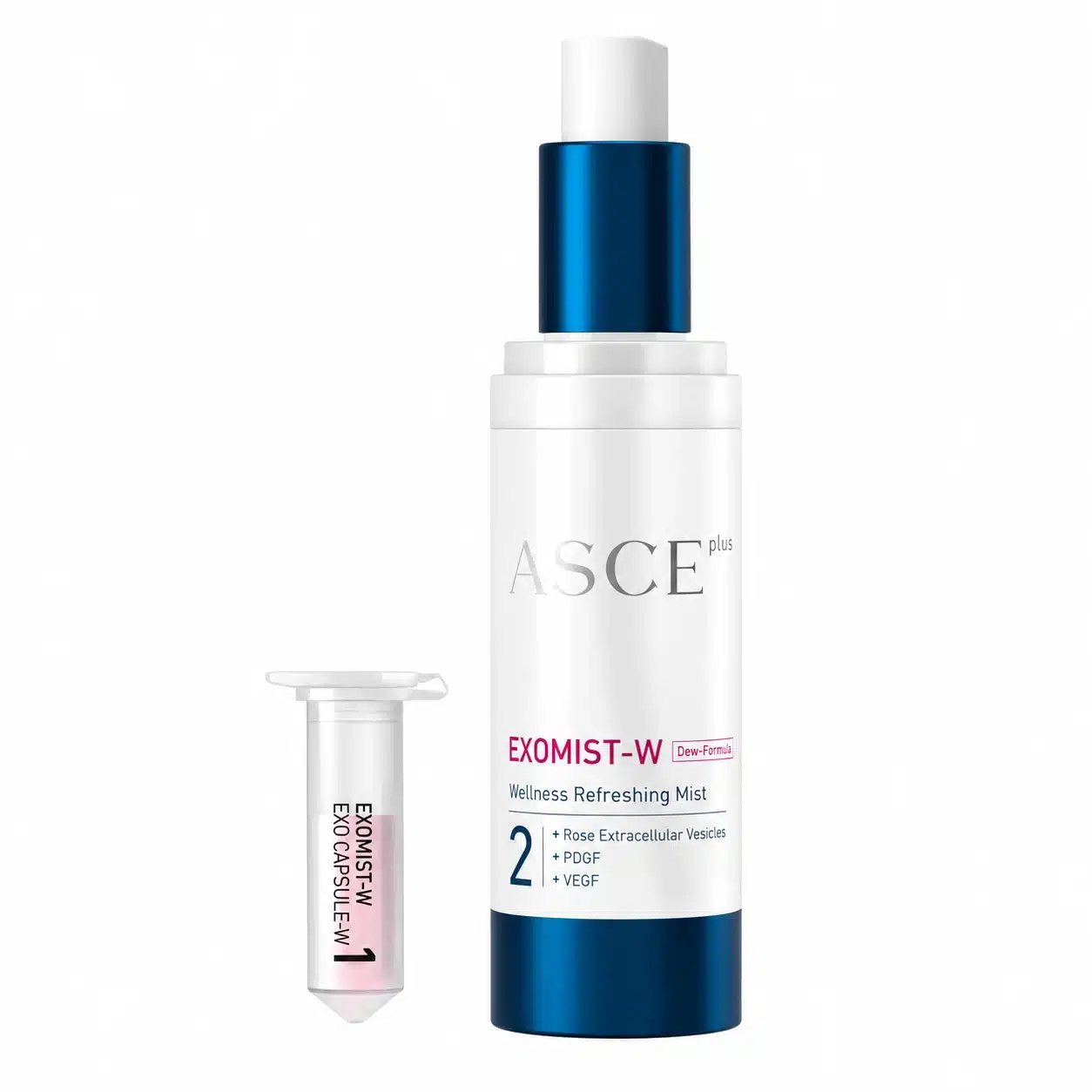
Alongside its professional lines, ASCE Plus also offers home skincare formulations incorporating its exosome-focused technology.
The goal is not simply to replace traditional skincare ingredients, but to explore a different technological approach to modern cosmetic formulation.
As research continues, plant-derived extracellular vesicles may become an increasingly interesting area of skincare science.
The Bottom Line
Plant extracts and exosomes are not the same thing.
A plant extract is generally a mixture of compounds obtained from plant material.
A plant-derived extracellular vesicle is a microscopic vesicle associated with plant cells and their biological communication systems.
Even when both originate from the same plant — such as Rosa damascena — they represent fundamentally different approaches.
This distinction is especially relevant when looking at ASCE Plus.
Rather than simply using a conventional rose extract, ASCE Plus incorporates Rosa damascena callus-derived extracellular vesicle technology into its exosome-focused formulations and professional systems such as SRLV, HRLV and IRLV.
For anyone interested in modern skincare biotechnology, understanding this difference is an important first step toward understanding what makes exosome-based skincare different from traditional botanical skincare.
Frequently Asked Questions
No. Conventional plant extracts are mixtures of compounds obtained from plant material, while extracellular vesicles are microscopic membrane-bound vesicles that can carry biological molecules. They represent different types of skincare ingredients and should not be considered interchangeable.
Plant-derived extracellular vesicles are microscopic membrane-bound vesicles associated with plant cells or plant cell cultures. They are being studied for their biological properties and potential applications in skincare and cosmetic formulations.
No. A conventional Rosa damascena extract contains a mixture of compounds obtained from the plant, while Rosa damascena callus-derived extracellular vesicles represent a different type of biological material. They should not be considered interchangeable.
Researchers are investigating extracellular vesicles because they can participate in cell-to-cell communication and carry various biological molecules. Studies of plant-derived extracellular vesicles are exploring their potential applications in areas such as skin biology, pigmentation, inflammation and skin regeneration.
ASCE Plus uses exosome technology that includes Rosa damascena callus-derived extracellular vesicles. ExoCoBio describes this ingredient using the INCI name Rosa Damascena Callus Extracellular Vesicles and associates it with its Rose Stem Cell-Derived Exosome technology.
Discover ASCE Plus Exosome Skincare
Explore the ASCE Plus range and discover skincare formulations built around advanced exosome and extracellular-vesicle technology.